Homeowners can protect themselves from roofing scams Utah storm seasons often bring by vetting local contractors and avoiding high-pressure door-to-door solicitations. Always verify physical signs of hail damage before signing any agreements, and ensure all repair terms are documented in a written contract rather than an oral agreement.
After a heavy Utah storm rolls through the valley, the sound of falling hail is often followed by a knock at your front door. It is a stressful moment for any homeowner, as the pressure to fix potential damage quickly can lead to hasty decisions. Out-of-state storm chasers often flood Central Utah during these times; they offer quick fixes and promise to handle your insurance company, but their work rarely withstands our local climate. Choosing the wrong contractor can result in denied claims, poor craftsmanship, or even legal liabilities. In this guide, Sanpete Roofing provides the expert tools you need to protect your investment. You will learn how to identify common red flags, verify professional licensing, and distinguish between true storm damage and natural shingle wear. By following these practical steps, you can navigate the insurance process with confidence and ensure your home remains secure.
The Rise of Storm Chasers in Central Utah
After a severe wind event or hail storm rolls through Sanpete County, the landscape changes quickly. While homeowners are busy assessing downed limbs or dented siding, a specific type of contractor begins to appear. These are storm chasers, out-of-state outfits that monitor weather maps to identify communities with high insurance claim potential. They often arrive within hours of a major event, canvassing neighborhoods in Manti, Ephraim, and surrounding Central Utah towns.
Homeowners naturally feel a sense of urgency and vulnerability when water is leaking or shingles are missing. However, reacting in haste can lead to significant financial loss. These contractors frequently lack the specific professional licensing required by Utah law. While their sales pitches are polished, their workmanship often fails to meet the rigorous standards needed to withstand a mountain winter. A roof installed by a transient crew may look acceptable in June, but it could fail under the weight of a heavy February snowpack.
Staying calm and prioritizing local expertise is the most effective way to avoid roofing scams Utah storm events frequently attract. Before committing to a fast fix, ensure you are working with a company capable of providing an expert roof installation that complies with local building codes. If your property has sustained impact, seeking professional storm damage repairs from a licensed local business ensures your warranty remains valid long after the storm chasers have left the state.
Common Red Flags of a Roofing Scam
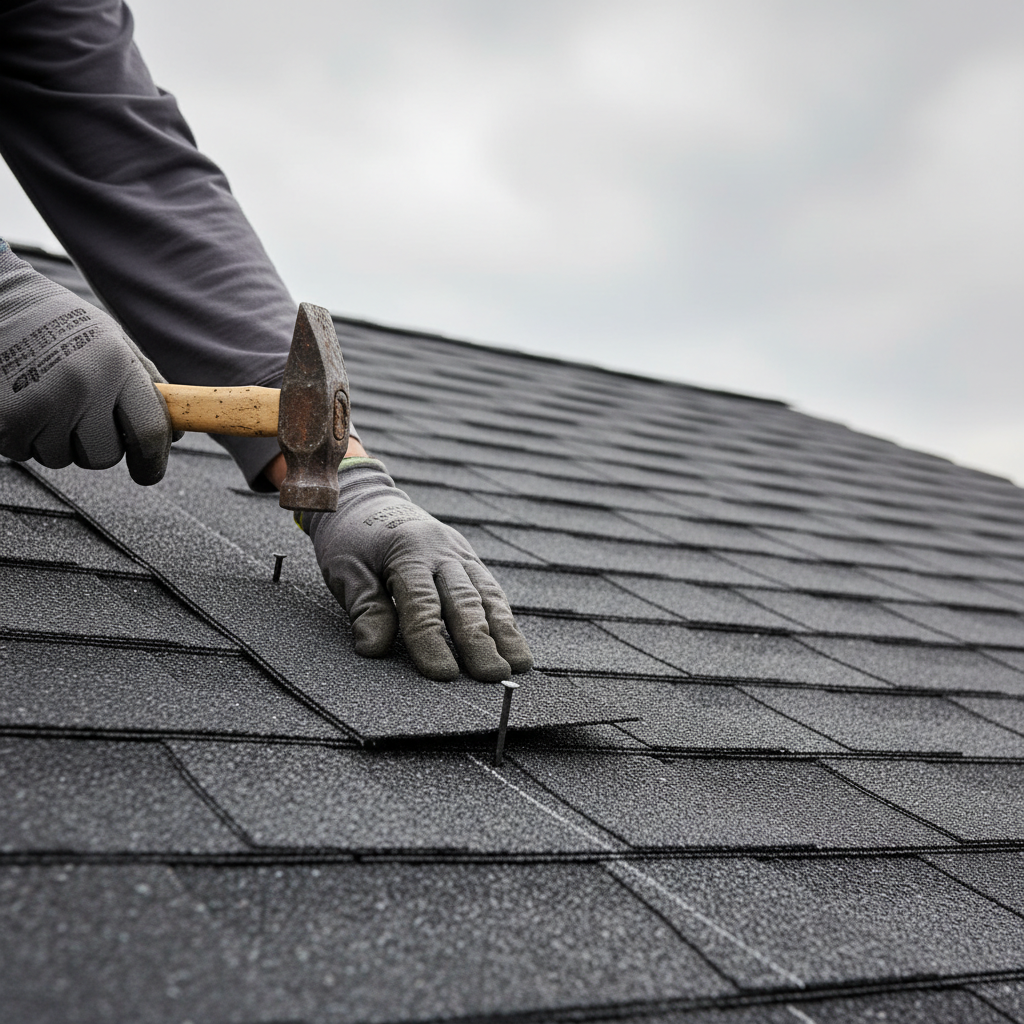
Recognizing the common patterns of roofing scams Utah storm victims encounter is essential for protecting your home and your finances. While a reputable local business typically relies on its reputation and established presence, predatory contractors use aggressive tactics to secure signatures before you have time to think. Identifying these behaviors early allows you to dismiss unqualified solicitors before they compromise your insurance claim.
Keep a sharp eye out for these specific red flags: - Immediate, Unsolicited Door-to-Door Sales: If a contractor knocks on your door within hours of a storm, they are likely following a weather map rather than providing a community service. Local experts are usually busy responding to existing clients during these times. - Out-of-State Identifiers: Check the vehicles and phone numbers. Contractors with license plates from several states away or out-of-area codes often lack a permanent presence in Utah and may disappear before the job is finished. - High-Pressure Tactics: Professionals give you space to review a quote. If you are being pressured to sign a contract on the spot to lock in a price or beat the rush, it is a sign of a scam. - Large Upfront Cash Deposits: A request for a significant cash deposit before any materials are delivered is a major warning sign. While some contractors may require a deposit for specialized materials, a demand for half the total cost upfront in cash is highly irregular.
One of the most dangerous tools in a scammer's arsenal is the contingency agreement. These documents are often presented as a simple permission slip for the contractor to inspect your roof or speak with your insurance adjuster. In reality, they are legally binding contracts that can force you to use that specific contractor if the claim is approved. By signing this before receiving a detailed estimate or verifying the company's credentials, you effectively sign away your right to choose who performs your storm damage repairs. Always ensure you understand every clause of a document before providing a signature.
How to Verify a Utah Roofing Contractor License and Insurance
Verifying a contractor's credentials is the most effective way to validate their legitimacy and protect your property. In Utah, the regulatory body responsible for this is the Division of Professional Licensing (DOPL). Before any work begins, you must ensure the company holds a current, active license specifically allowing for roofing work.
Follow these steps to confirm a contractor’s status:
Visit the official DOPL website at dopl.utah.gov.
Select the "Verify a License" tool from the main menu.
Search by the business name or the specific license number provided by the contractor.
Confirm the license classification. Most professional roofers hold an S280 (Roofing Contractor) license, though some general contractors with an R100 classification may also be qualified to perform this work.
Beyond licensing, you must verify insurance coverage to avoid being held liable for accidents that occur on your property. Request a Certificate of Insurance (COI) directly from the contractor. A legitimate Utah roofing business is required by law to carry general liability insurance with minimum coverage of $100,000 per incident and $300,000 in total aggregate. If a contractor cannot produce a current COI or their coverage falls below these state-mandated minimums, they are not operating legally.
Taking these extra minutes to research effectively facilitates protection against the roofing scams Utah storm cycles often bring to Sanpete County. If you need a vetted professional for storm damage repairs, checking these credentials should be your first priority. A reputable local company will always be transparent with this documentation and provide a clear way to contact us for an estimate that includes their license and insurance details upfront.
Identifying Real Storm Damage vs Shingle Blistering
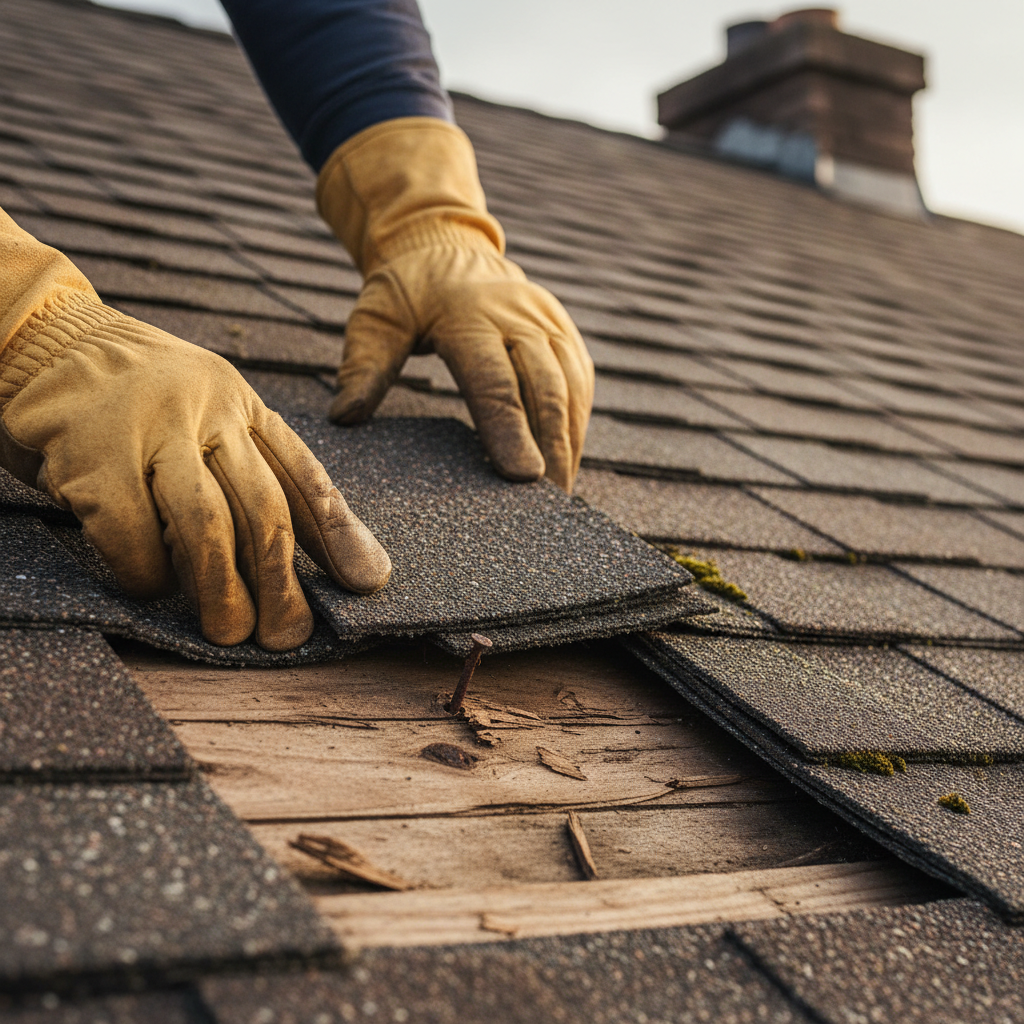
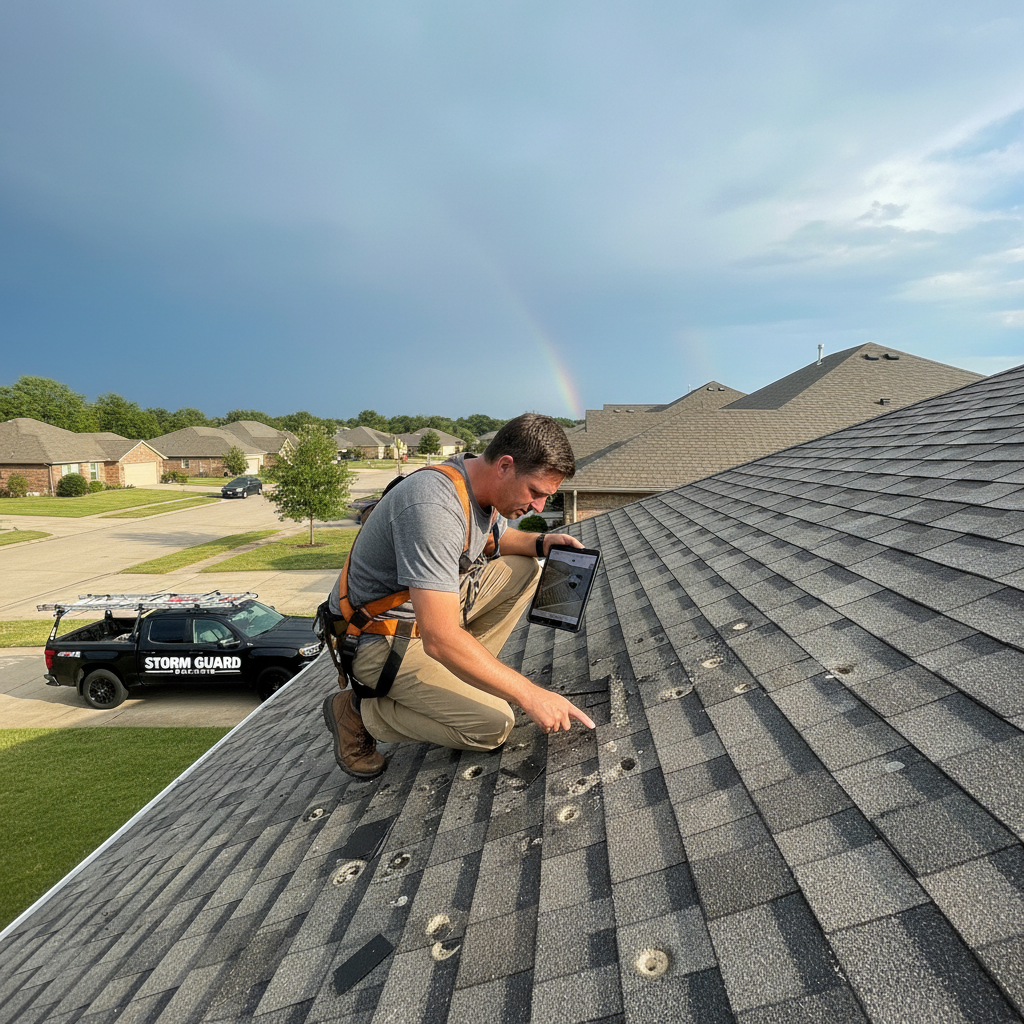
One of the most frequent tactics used in roofing scams Utah storm seasons bring to Sanpete County involves misrepresenting shingles that have blistered as shingles that have been hit by hail. Blistering is a natural consequence of trapped moisture within the shingle or excessive heat buildup caused by poor attic ventilation. While these small, raised bubbles can eventually pop and leave a circular crater, they are a sign of age or installation issues, not a sudden weather event that would qualify for an insurance claim.
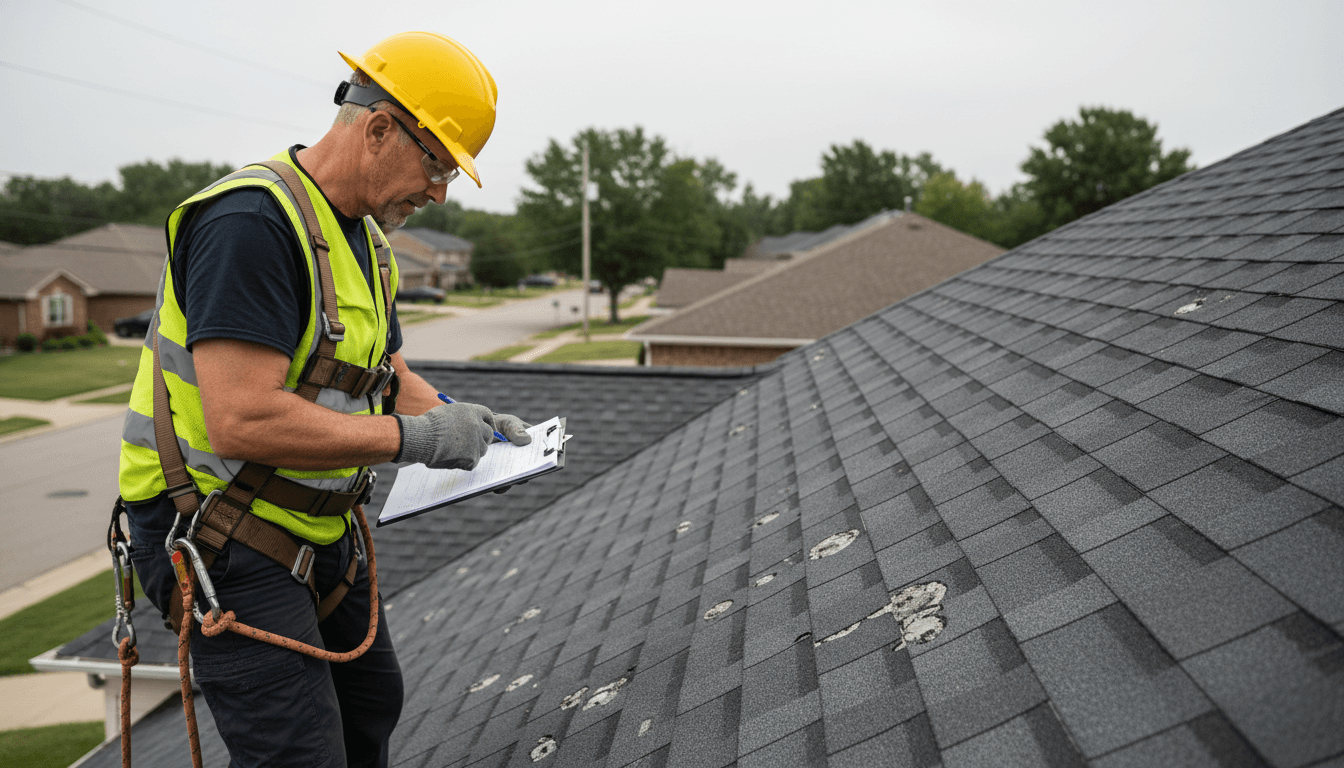
To tell the difference, you must look closely at the shape and texture of the marks. True hail damage typically looks like a dark, circular bruise where granules have been physically knocked away, exposing the black asphalt mat underneath. These impact points are often random in their distribution and can feel soft to the touch, similar to the feel of a bruised apple. In contrast, blisters usually appear as small, hardened bumps or pits with steep, defined edges where the bubble has burst. Because blistering is related to heat, it often appears more uniformly across a specific slope of the roof or near the ridge where heat concentrates.
If a contractor claims your roof is riddled with hail damage, look for collateral evidence elsewhere on your property. Hail is indiscriminate; it does not only hit shingles. Inspect your soft metals, such as aluminum gutters, downspouts, and the metal turtle vents on the roof. Check your window screens for tears or your siding for circular dents. If the metal vents are smooth and the screens are intact, it is highly unlikely that hail was large enough to cause legitimate damage to your shingles. Before you file a claim based on a solicitor's word, contact us for an estimate to get an honest assessment of whether you truly need storm damage repairs or simply a ventilation upgrade.
Navigating the Insurance Process: What Not to Say to Your Adjuster
Once you have identified potential issues, the next step involves communicating with your insurance carrier. This stage is where many homeowners unknowingly jeopardize their claims. When speaking with an adjuster, avoid speculating on the age of your shingles or the specific cause of a leak if you are not certain. Providing an incorrect guess about the roof's history can be interpreted as a misrepresentation of facts. Similarly, avoid admitting any perceived fault regarding maintenance; this can be used to categorize the issue as wear and tear rather than a covered event.
A reputable contractor should always be present during the adjuster's inspection. We speak the technical language of insurance assessments and can point out subtle indicators of impact that an adjuster might overlook during a brief walkthrough. This collaboration ensures that the scope of work for your storm damage repairs is accurate from the start.
Utah building codes often include a provision known as the 25 percent rule. If 25 percent or more of a roof surface is damaged within a one year period, the entire roof may require a full replacement to ensure the system meets current safety and structural standards. Understanding this prevents you from being talked into a subpar patch job. If you are unsure how to proceed after a weather event, contact us for an estimate so we can assist you in navigating the assessment alongside your insurance representative, helping you avoid the common pitfalls of roofing scams Utah storm seasons often generate.
The Benefits of Hiring a Local Sanpete County Roofer
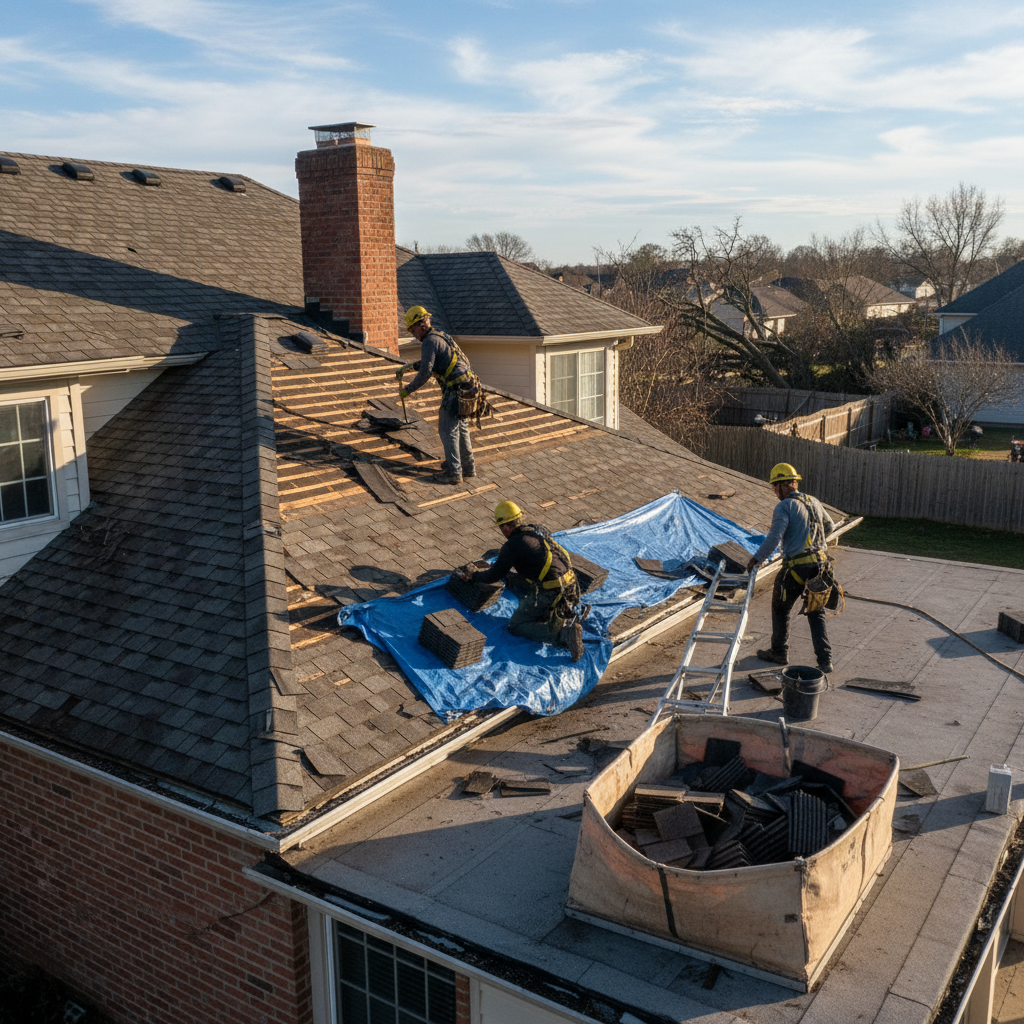
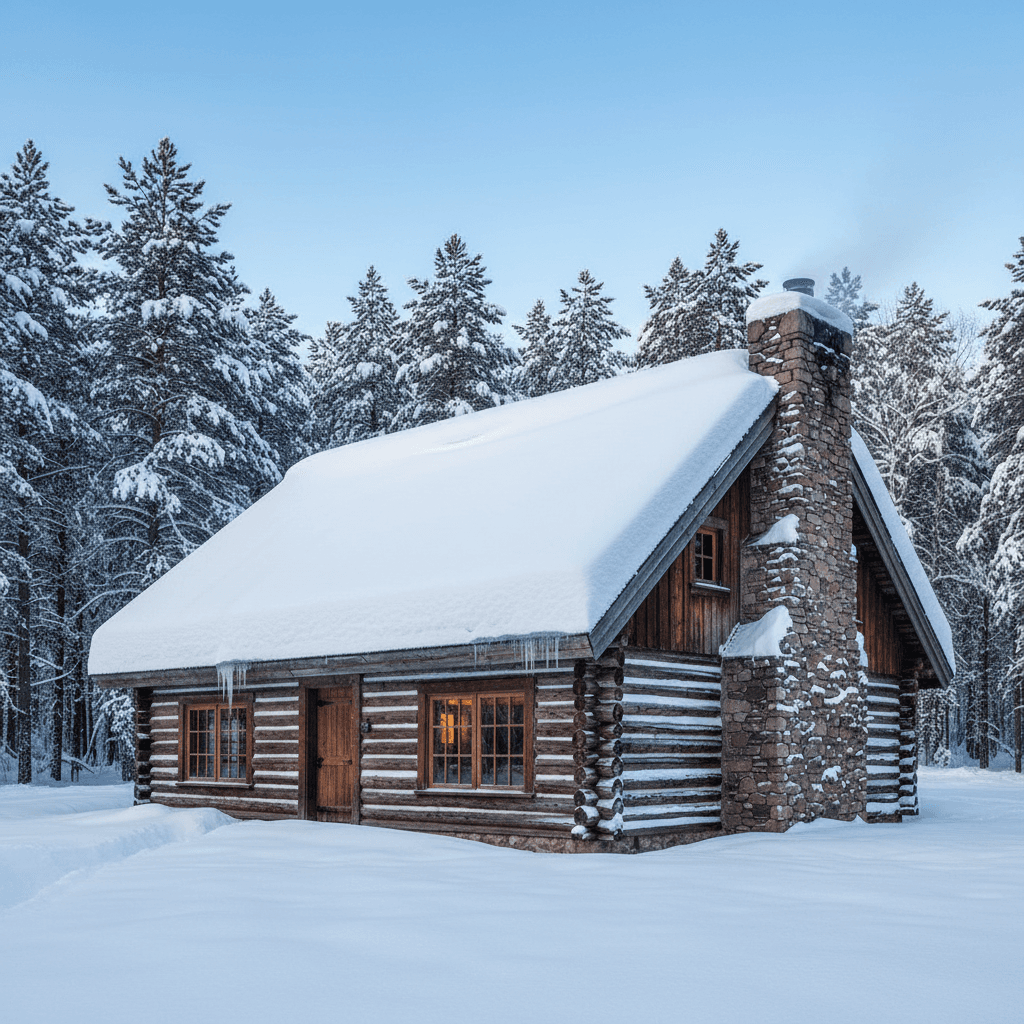
Choosing a local contractor is about more than supporting the community; it is about technical suitability. Central Utah presents unique environmental challenges that out-of-state crews often ignore. We deal with intense high-altitude UV exposure that can prematurely dry out shingle oils if the wrong product is selected. Furthermore, our roofs must be engineered for significant snow loads. A generic expert roof installation might look fine on the surface, but a local expert knows how to reinforce valleys and eaves to prevent ice damming during a harsh Sanpete County winter.
Accountability is the primary defense against the roofing scams Utah storm seasons often bring to our area. A local business maintains a physical office and a reputation within the community. When a contractor provides a warranty, that promise is only as good as their presence in the area. Storm chasers are notorious for offering tailgate warranties, which essentially expire the moment their truck leaves your driveway. If a leak develops two years later, a transient company will be long gone, leaving you to pay for storm damage repairs a second time. By hiring someone with deep roots in Central Utah, you ensure that your investment is protected by a neighbor who can be reached with a simple phone call. If you have questions about local building requirements or material longevity, contact us for an estimate to see the difference local expertise makes.
Steps to Take Immediately After a Utah Storm
Taking immediate, organized action is your best defense against the predatory roofing scams Utah storm seasons often invite. Following a major weather event in Sanpete County, use this checklist to ensure your property and claim remain secure:
Document the exact date and time the storm occurred to ensure insurance accuracy.
Capture high-quality photos of your yard, gutters, and shingle debris from the safety of the ground; do not climb onto the roof yourself.
Call a local, licensed contractor for a professional inspection before opening a claim to establish an expert baseline for storm damage repairs.
Confirm the business has a verifiable local physical address and an active Utah DOPL status.
Request a written contract detailing the specific scope of work and a clear payment schedule before any work begins.
If you suspect your roof has been compromised by wind or hail, contact us for an estimate to ensure you receive a thorough, honest evaluation from a neighbor you can trust.