Metal roofing is the superior long-term choice for Utah weather because it sheds heavy snow efficiently and offers better resistance to wind and hail damage. When comparing a metal roof vs asphalt shingles Utah homeowners often find that metal provides greater durability and thermal efficiency; standing seam systems are particularly effective at preventing leaks during harsh winters.
Utah homeowners face a brutal cycle of heavy snowpack and sudden spring hailstorms that can devastate an aging roof. In Sanpete County, your choice between metal and asphalt shingles is more than a matter of curb appeal; it is a critical decision for your home's structural health and your long-term budget. Whether you are managing a residential property in Ephraim or an agricultural building in Manti, the environmental demands here are unforgiving. This guide provides a detailed breakdown of how each material handles Utah weather. We will examine snow shedding capabilities, UL Class 4 hail resistance ratings, and energy efficiency myths. Additionally, we provide specific 2026 cost projections to help you decide which investment offers the best protection for your specific needs in our unique high-desert climate.
Utah Weather Demands: Why Your Roof Choice Matters in Sanpete County
Living in Central Utah means your home faces some of the most diverse weather patterns in the country. From the heavy mountain snowpacks that settle over Manti and Ephraim to the intense high-altitude UV exposure in the summer, the environment is relentless. Frequent summer hail storms add another layer of risk. As a local roofing contractor, we see how these conditions dictate the lifespan of a building. Choosing the right material is a structural decision meant to protect the integrity of your rafters and interior.
The debate regarding a metal roof vs asphalt shingles Utah residents must consider usually comes down to two main contenders. Asphalt shingles remain the traditional standard because of their lower entry cost, while metal roofing is the growing favorite for those prioritizing long term resilience. In Sanpete County, the primary concern is the extreme temperature swings. A roof might face sub-zero temperatures at night followed by direct, high-elevation sun the next day. This constant expansion and contraction, combined with the brutal freeze-thaw cycle, tests every seam. Securing an expert roof installation is about more than just curb appeal; it is about ensuring your property can withstand these specific regional demands for decades.
Snow Performance: Shedding the Load vs Heavy Accumulation
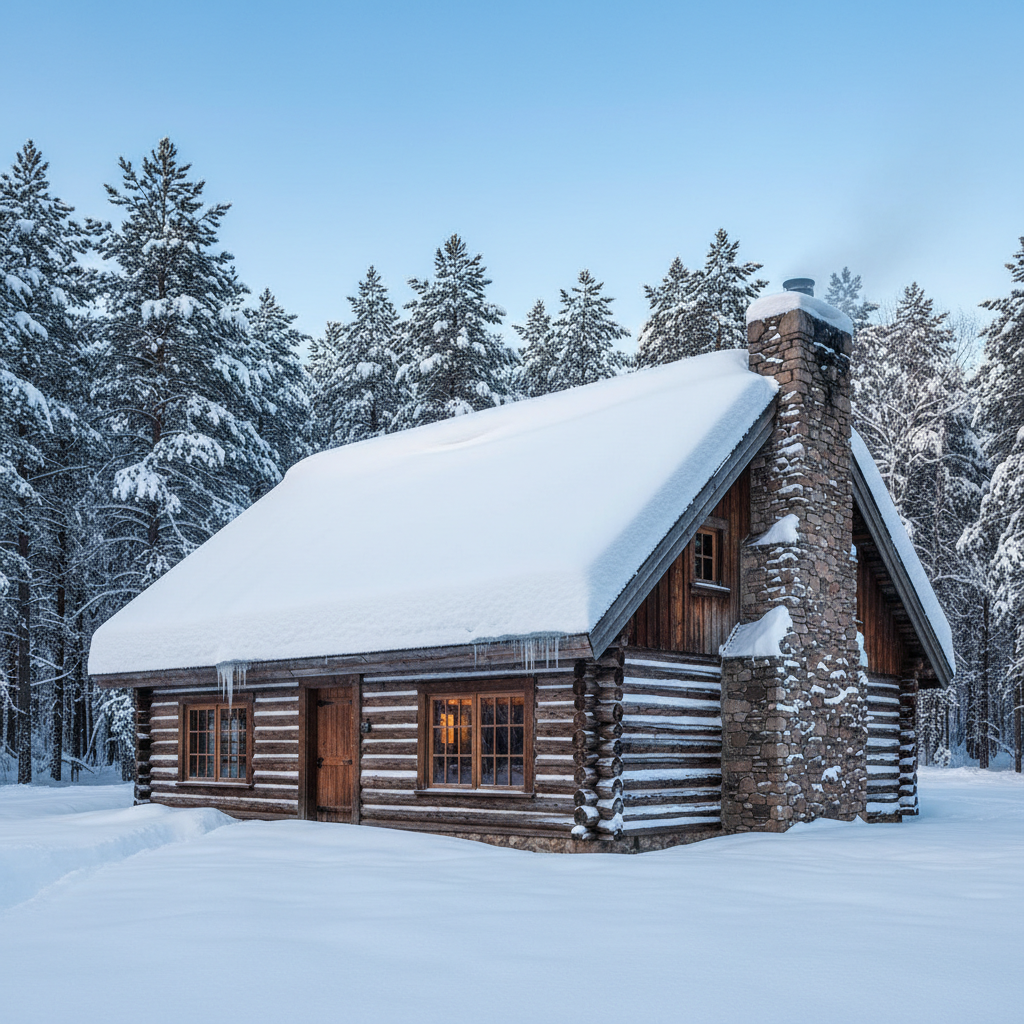
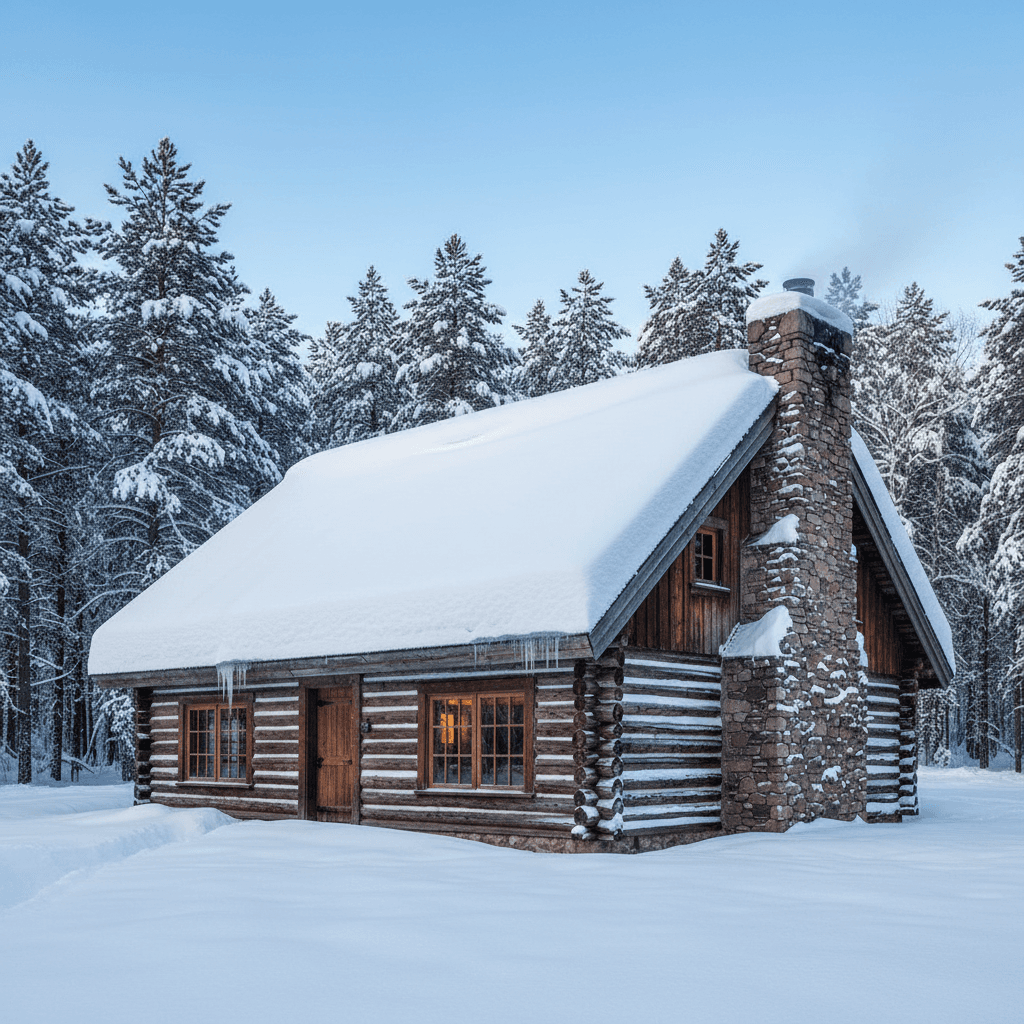
The weight of a heavy Utah snowpack can put immense pressure on a building's structural frame. When comparing a metal roof vs asphalt shingles Utah homeowners must consider how each material manages this weight. Metal roofing, particularly standing seam systems, is designed to shed snow. The smooth, unobstructed surface allows snow to slide off the roof once the sun warms the metal or the weight of the accumulation overcomes the surface friction. This shedding action is a primary advantage for mountain properties, as it prevents thousands of pounds of snow from sitting on the rafters for months at a time.
Homeowners often ask, "Will snow slide off a 3/12 metal roof?" While a 3/12 pitch is relatively shallow, snow will still slide, though it requires more accumulation or a slight temperature increase to break the friction compared to a steeper 6/12 or 8/12 pitch. On these lower slopes, the lack of granules is what makes the difference. In contrast, the stone-granule texture of asphalt shingles is designed to grip. While this helps with traction during maintenance, it also traps snow. This trapped snow acts as an insulator, but it also creates the perfect conditions for ice dams. In the Central Utah climate, heat escaping from the attic melts the bottom layer of snow, which then flows to the cold eaves and refreezes. This creates a dam that forces liquid water back up under the shingles.
To mitigate these risks, Sanpete Roofing incorporates specific technical safeguards during every expert roof installation. We install high temperature ice and water shield underlayments at the eaves, valleys, and all penetrations. These self-healing membranes provide an essential waterproof barrier that protects the roof deck during the intense freeze:thaw cycles common in Manti and Ephraim. Whether your roof is designed to shed the load or hold it, the integrity of the underlying system determines if your home stays dry when the spring thaw arrives. For those seeking a specific evaluation of their roof pitch, we provide transparent estimates that account for these local snow load requirements.
Hail Resistance: UL Class 4 Ratings and Impact Protection
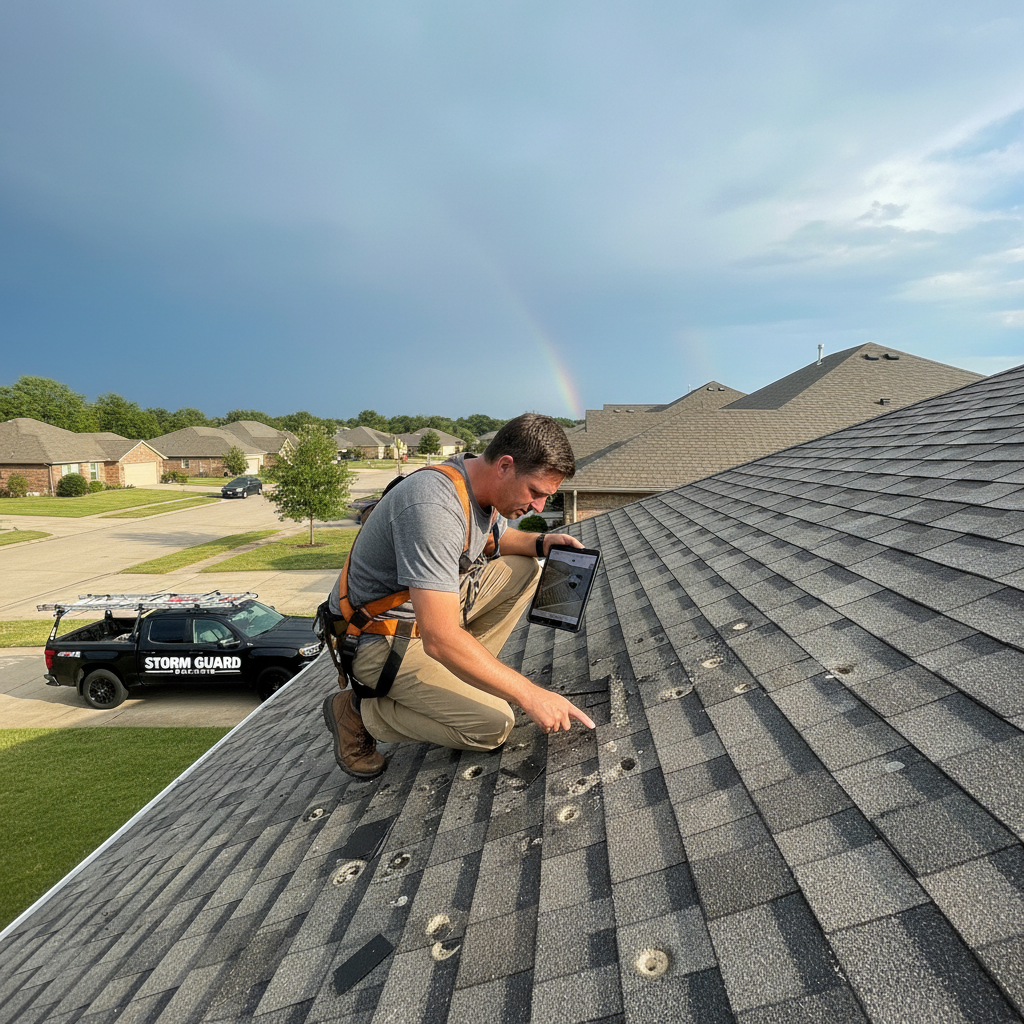
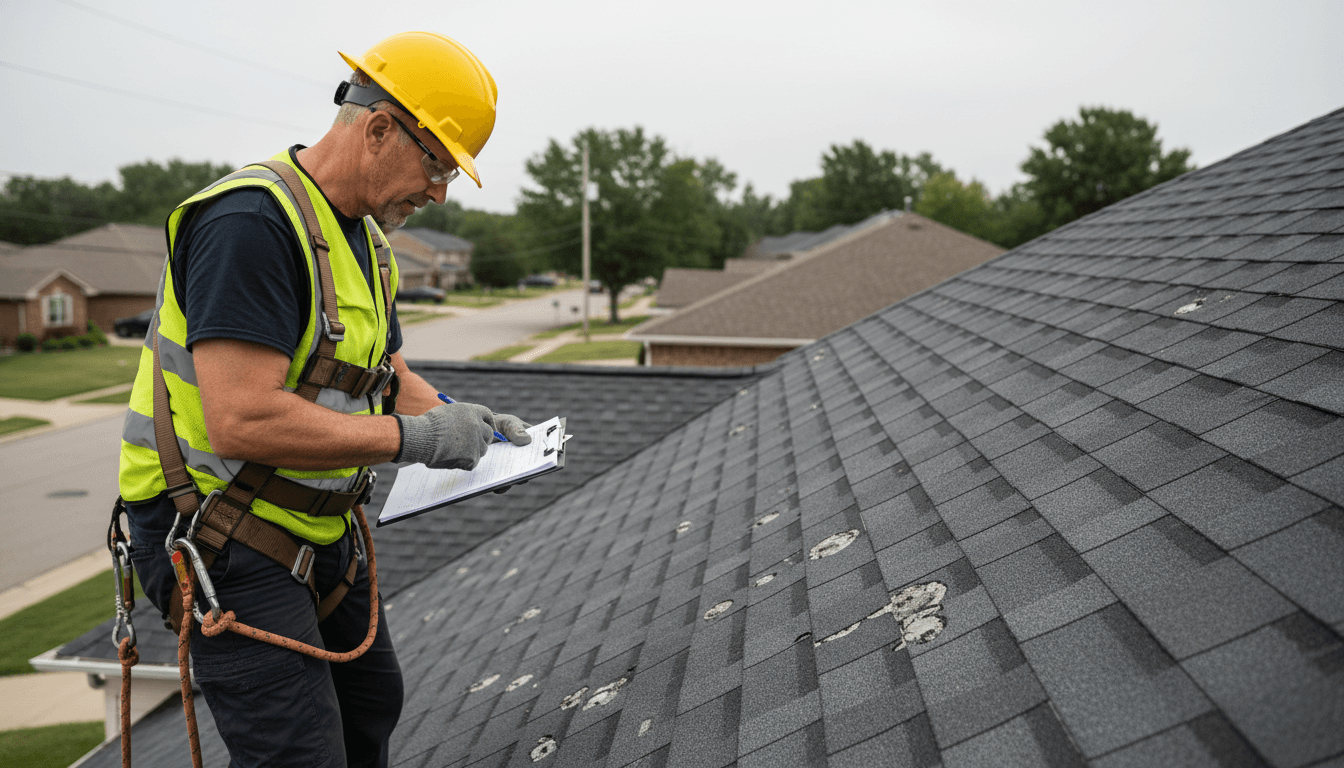
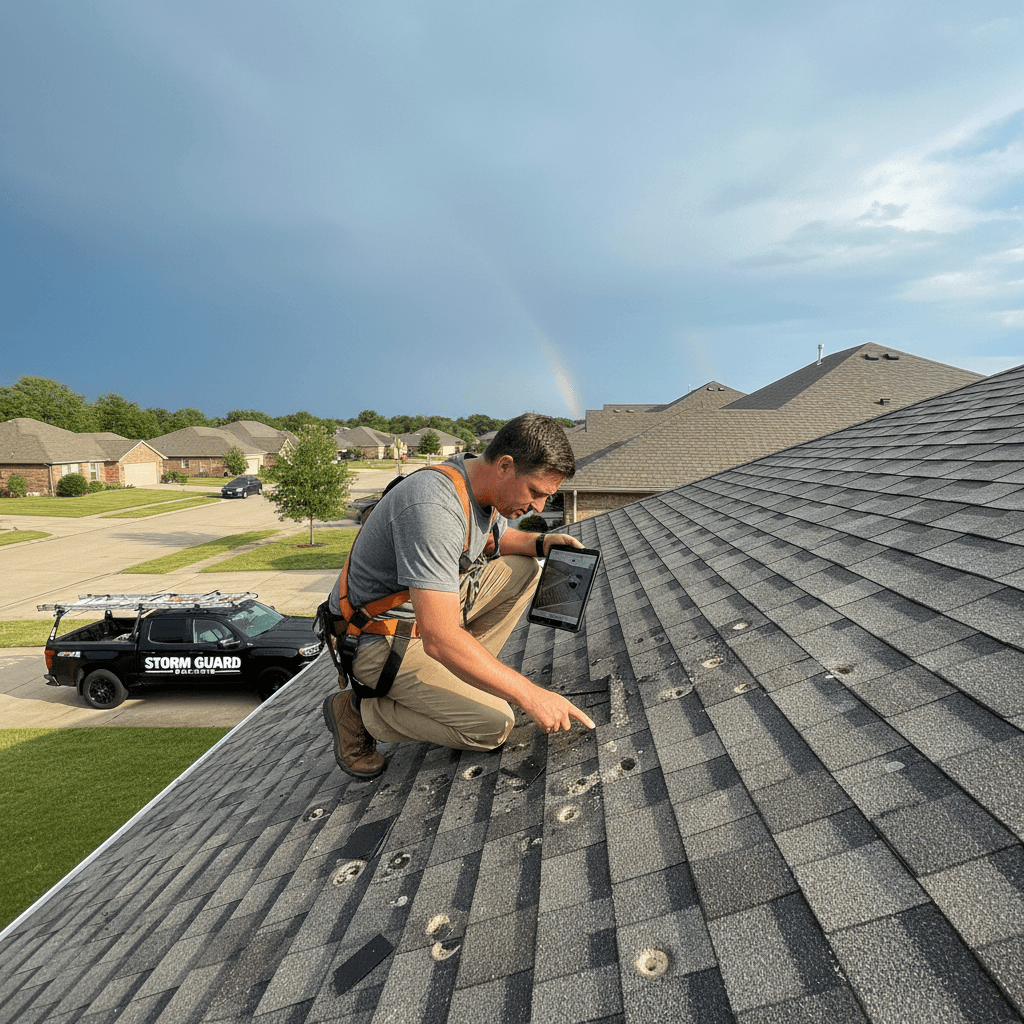
Hailstorms are a persistent reality in Central Utah, often arriving with little warning during the summer months. When evaluating a metal roof vs asphalt shingles Utah property owners must understand the difference between cosmetic and functional damage. Standard asphalt shingles suffer functional damage from hail; the impact knocks away protective granules and creates "bruises" in the matting. This exposes the underlying asphalt to UV rays, leading to premature leaks and failure. In contrast, hail damage on metal is typically cosmetic. While large stones may cause minor denting, the structural integrity of the roof remains intact, keeping the interior of your home dry even after a severe storm.
A common question we receive is how big of hail can a metal roof withstand? High quality metal systems are generally rated to resist impact from hail up to two inches in diameter, roughly the size of a golf ball, without sustaining structural compromise. Many homeowners also ask if 26 gauge metal roofing is hail resistant. While 26 gauge is a solid, industry standard material that often achieves a UL Class 4 impact rating, we frequently recommend 24 gauge standing seam for superior protection. The thicker 24 gauge steel provides increased rigidity and better resistance to denting during high intensity storms.
Choosing a material with a UL Class 4 rating is not just about physical protection; it is also a financial strategy. Because these roofs are less likely to require replacement after a storm, many insurance companies offer significant premium discounts for homes with impact resistant roofing. During an expert roof installation, we ensure that all components meet these high standards. If you are assessing damage from a recent storm or planning an upgrade, we provide transparent estimates that detail the specific impact ratings of each material option.
Energy Efficiency and Winter Insulation Myths
A common concern we hear from residents in Manti and Gunnison is whether a metal roof will make their house colder during our frigid Central Utah winters. The short answer is no. Your home's interior temperature is primarily dictated by attic insulation and proper ventilation, not the material on the outer surface of the roof. During an expert roof installation, we ensure that the attic space remains properly regulated. The roofing material itself acts as a weather barrier, while the insulation underneath traps the heat generated by your furnace.
When evaluating a metal roof vs asphalt shingles Utah homeowners should actually look toward the summer months for the biggest efficiency gains. In the heat of July and August, asphalt shingles act like a thermal sponge, absorbing UV rays and radiating that heat directly into your attic and living spaces. This forces air conditioning units to work significantly harder. Metal roofing, however, is highly reflective. By bouncing solar radiation away from the structure, it can reduce cooling costs by as much as 25 percent. As a local roofing contractor, we often see metal systems pay for themselves over time through these energy savings. If you are curious about how your current insulation levels compare to modern standards, we provide transparent estimates that evaluate the entire roofing system, from the rafters to the ridge cap.
Utah Roofing Cost Comparison: 2026 Price Projections
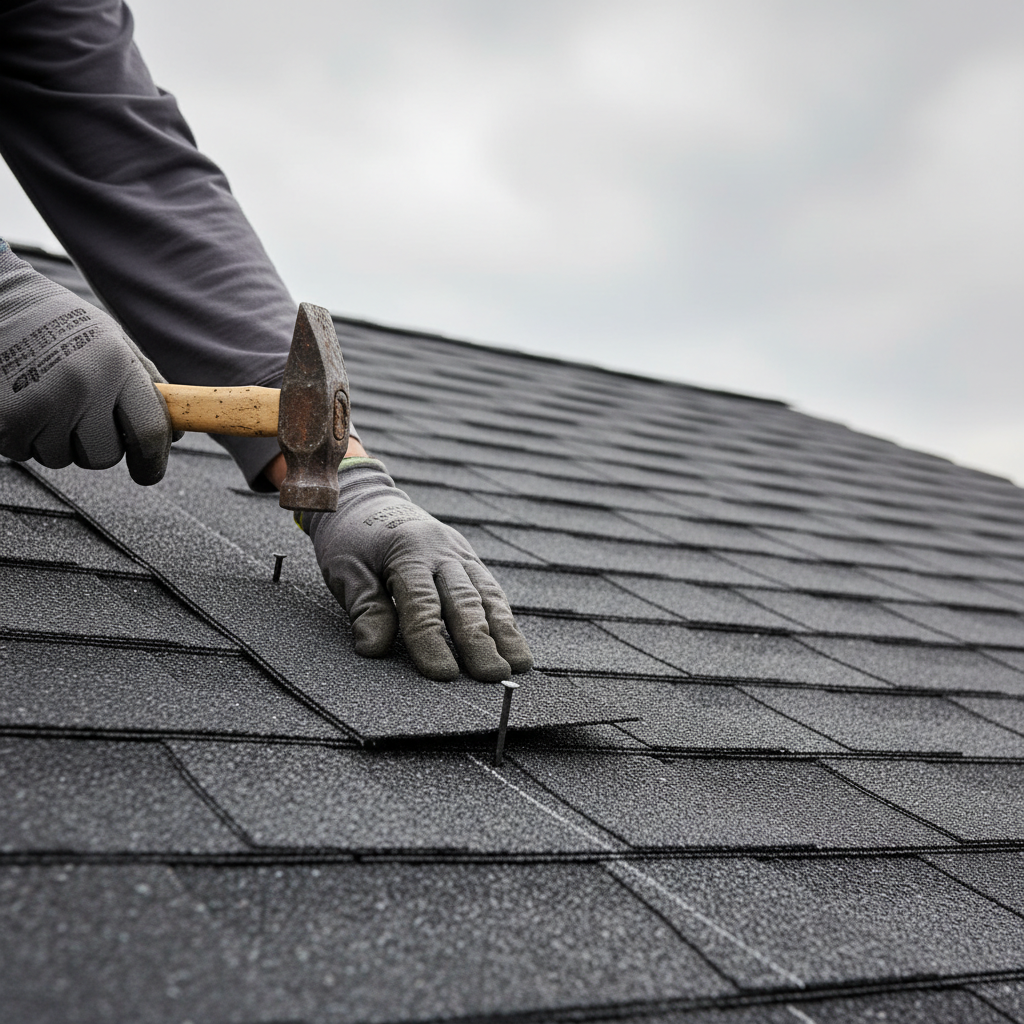
Financial planning for a property in Ephraim or Mount Pleasant requires looking past the initial invoice. For 2026 projections, asphalt shingles remain the most accessible entry point for residential owners. However, a high quality standing seam metal system reflects a larger capital investment. Current data suggests that premium standing seam installations in Central Utah will range from $10 to $16 per square foot, depending on the complexity of the roofline and the gauge of the steel used.
Roofing Material Type | Projected 2026 Price (Per Sq. Ft.) | Service Life (Utah Climate) |
|---|---|---|
Architectural Asphalt Shingles | $4.50 – $7.25 | 18 – 22 Years |
24-Gauge Standing Seam Metal | $10.00 – $16.00 | 50+ Years |
Exposed Fastener Metal (Ribbed) | $7.50 – $11.50 | 30 – 45 Years |
Looking strictly at the sticker price ignores the reality of the metal roof vs asphalt shingles Utah homeowners face over several decades. An asphalt roof in our high UV, high snow environment often requires replacement every 20 years. In contrast, a metal roof installed by a local roofing contractor typically lasts 50 years or more, which is roughly 2.5 times the lifespan of shingles. Over a half century, a homeowner might pay for two or three asphalt replacements, while a single metal installation remains intact.
When you factor in the rising costs of labor and materials, the total cost of ownership for metal is frequently lower. For agricultural property owners, this longevity is essential for protecting barns and shops without recurring capital expenses every two decades. We provide transparent estimates that break down these long term projections to help you decide if the upfront investment aligns with your property goals. Every expert roof installation we perform is focused on maximizing this value through precision craftsmanship and durable material selection.
Agricultural and Commercial Applications in Central Utah
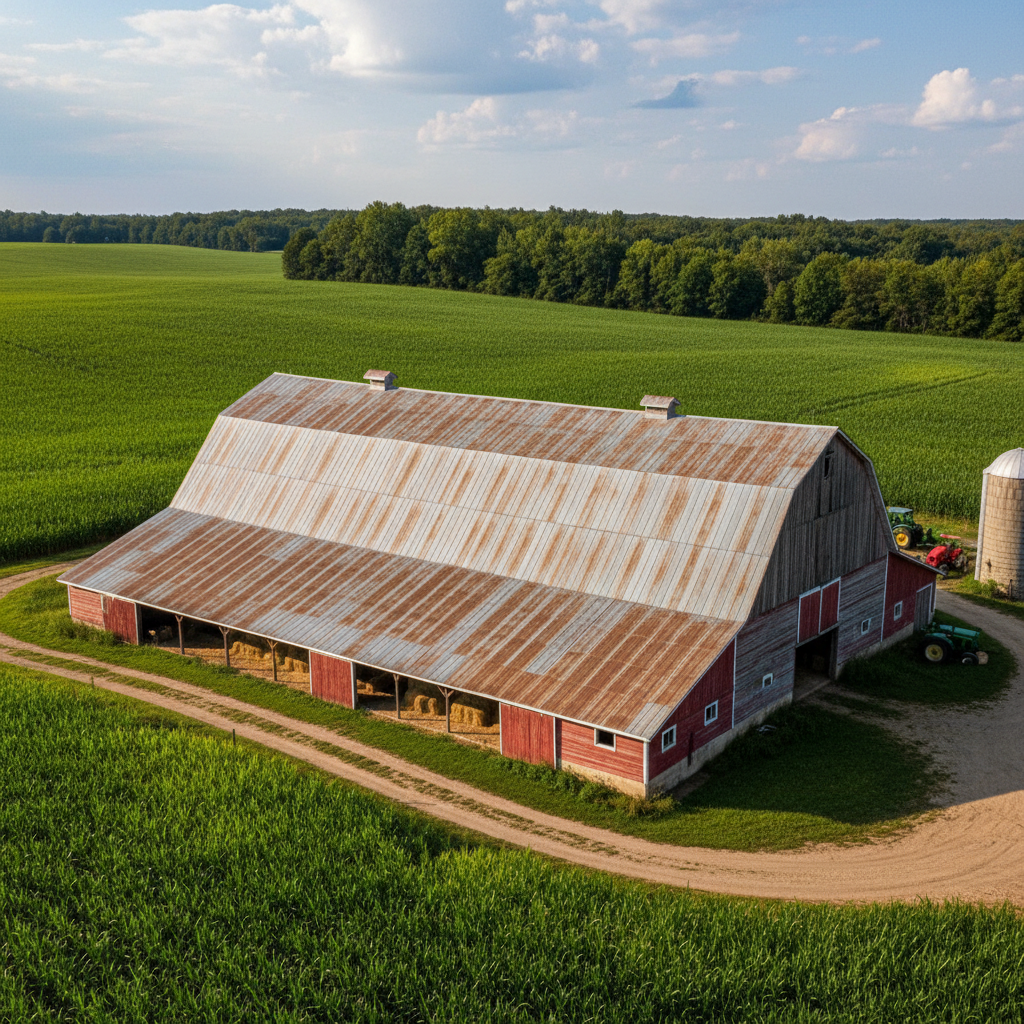
For the agricultural operations across Sanpete County, the choice between a metal roof vs asphalt shingles Utah farmers often make is driven by structural necessity. Large-span buildings like hay barns, equipment sheds, and livestock shelters face immense wind and snow loads. Metal roofing provides a lightweight yet rigid solution that spans long distances without adding excessive dead weight to the rafters. Its ability to shed snow rapidly is vital for preventing structural collapse on wide-span buildings during a heavy winter. The smooth surface ensures that thousands of pounds of accumulation slide off before reaching a critical mass that could compromise the building's frame.
Commercial property owners in Central Utah prioritize low maintenance to protect their bottom line. A high quality metal system offers a "set it and forget it" advantage that shingles cannot match. While asphalt might be prone to wind uplift or granule loss in open valleys, metal panels secured with precision fasteners resist the high-velocity winds common in our rural canyons. We provide expert roof installation for these specialized structures, ensuring that every panel is aligned for maximum runoff efficiency. By opting for metal, local businesses reduce the need for frequent inspections and minor repairs, allowing them to focus on their operations. You can request transparent estimates from a local roofing contractor to compare the performance and longevity of these materials on your specific acreage or commercial site.
Final Verdict: Which Roof Should You Choose?
Selecting between a metal roof vs asphalt shingles Utah property owners must weigh their immediate financial comfort against long term structural goals. Asphalt shingles serve as an excellent solution for homeowners prioritizing a lower initial investment or those who plan to relocate within the next decade. This material provides dependable protection when backed by a professional expert roof installation, though it necessitates more frequent maintenance to manage the region's intense UV exposure and seasonal temperature swings.
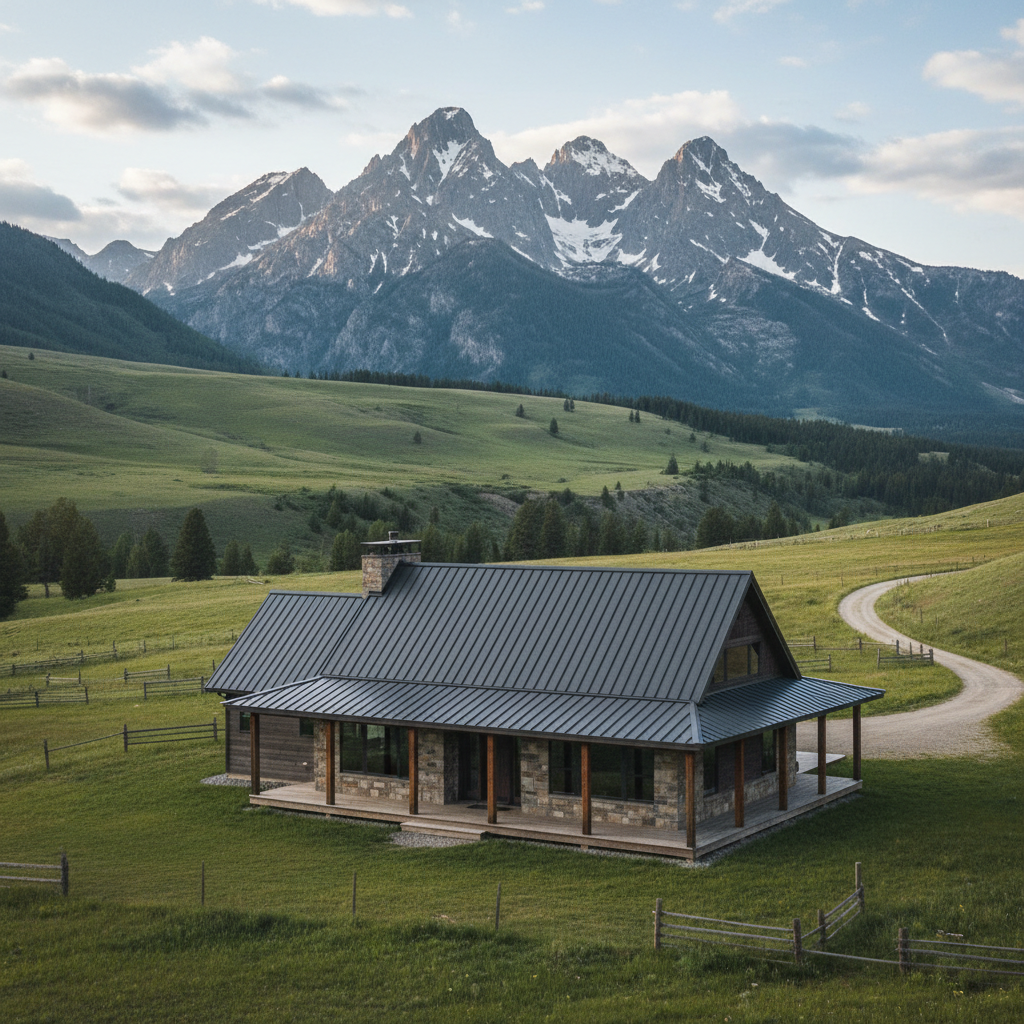
Metal roofing is the definitive choice for 'forever homes' and any property situated in high elevation areas prone to massive snow accumulation. For agricultural operations and commercial buildings, the durability and snow shedding capabilities of metal offer a level of security that shingles cannot match. As a local roofing contractor, we focus on providing the data you need to make an informed choice for your specific acreage or residence. We provide transparent estimates for both systems, allowing you to see exactly how each material impacts your property's value and long term resilience.
Choosing between metal and asphalt shingles often comes down to your specific budget and how long you plan to stay in your home. While metal provides superior protection against heavy snow and hail, asphalt shingles remain a reliable and cost-effective choice for many Utah families. If you want expert help navigating these options for your property, you can learn more About our team and our local approach to quality roofing. We are here to ensure your roof stands up to our unique mountain climate.