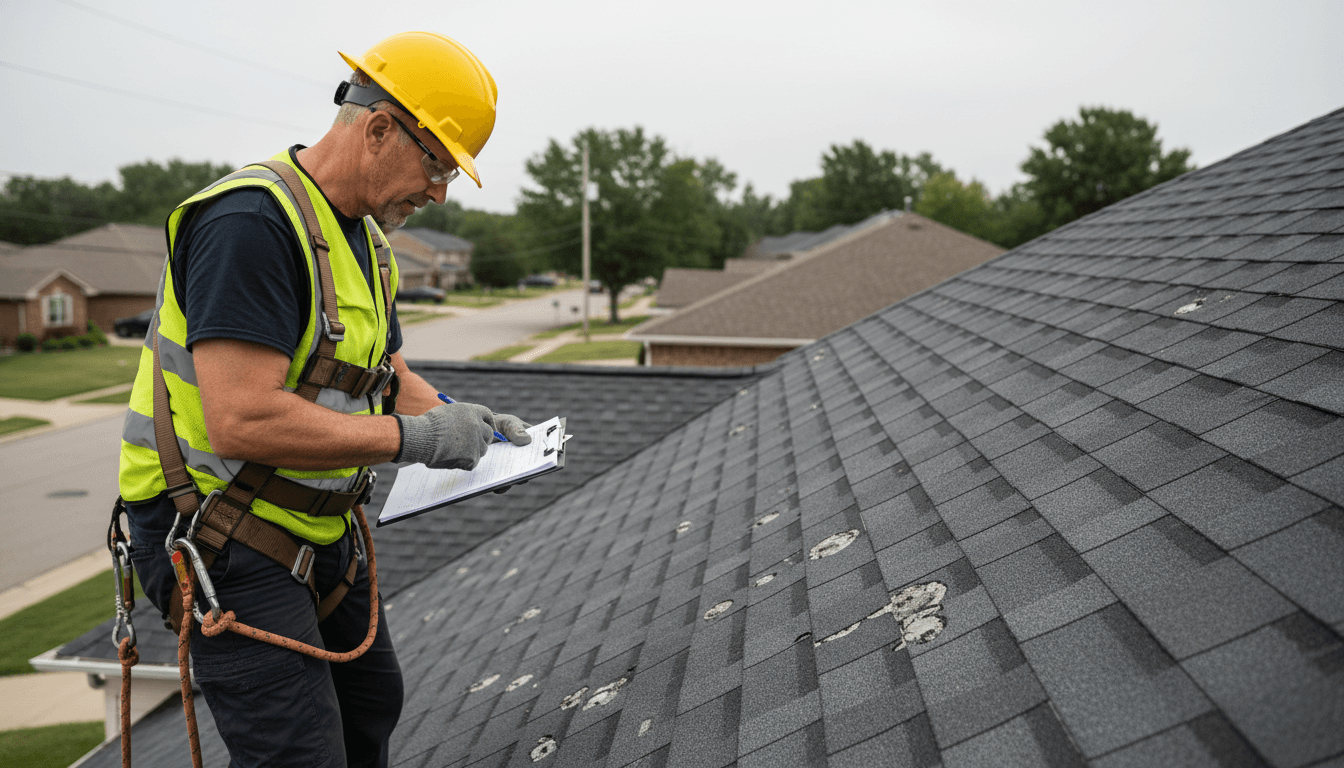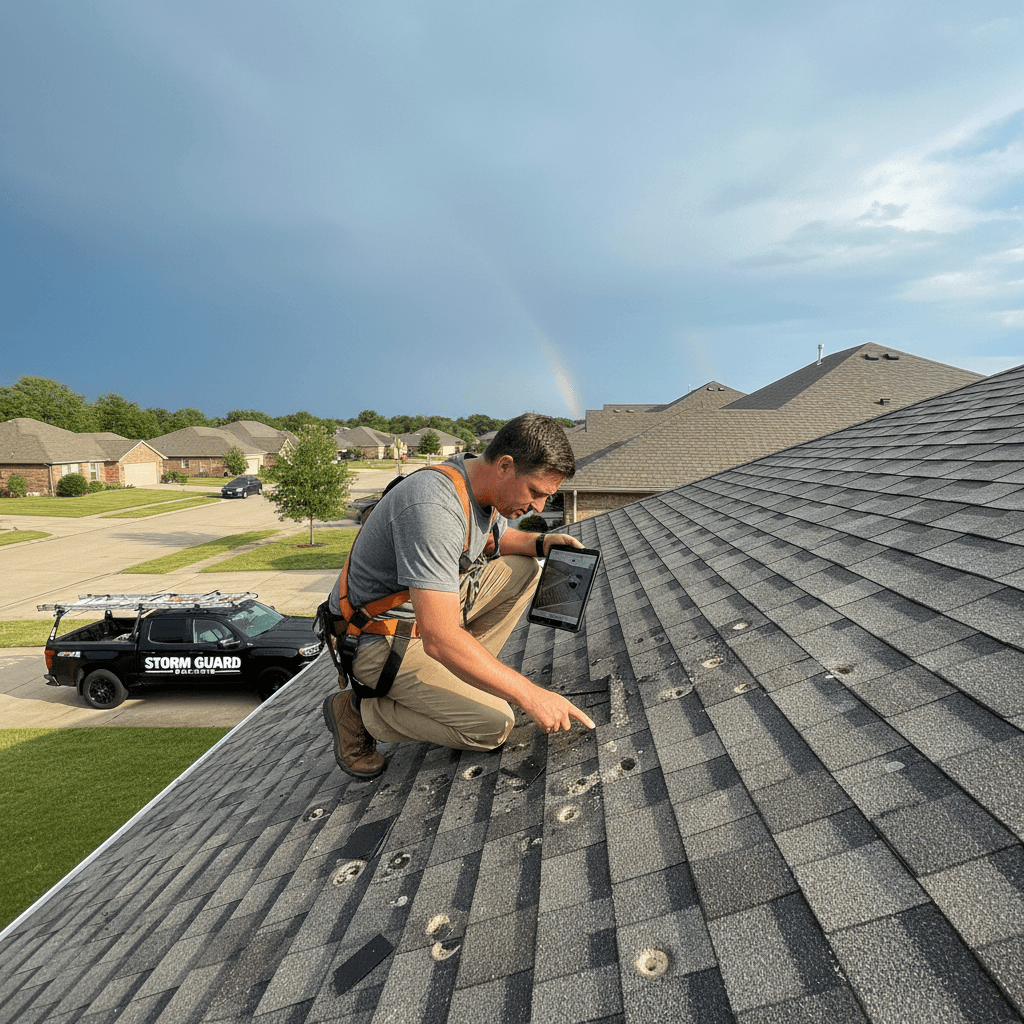
A comprehensive roof maintenance checklist Utah homeowners should follow includes cleaning gutters to prevent ice dams and inspecting shingles for cracks or missing pieces. It is also vital to check flashing around vents and chimneys to ensure the structure remains watertight against heavy winter snow and freeze-thaw cycles.
For homeowners in Sanpete County, the approach of winter brings more than just a drop in temperature; it introduces a significant burden on your roof. Between the heavy snow loads typical of the Sanpete Valley and the relentless cycle of freezing and thawing, a neglected roof quickly becomes a liability. Understanding the nuances of Utah weather is vital for protecting your investment, as a single overlooked shingle or a clogged gutter can lead to costly structural damage. This guide provides a comprehensive roof maintenance checklist tailored specifically for our unique climate. We will explore effective strategies for preventing ice dams, maintenance tips for agricultural metal roofs, and the specific warning signs that your home may be at risk. By following these practical steps, you can ensure your property remains secure against the harshest elements this season.
Why Sanpete County Winters Require a Specific Roof Maintenance Strategy
In Sanpete County, we manage a climate that is significantly harsher than the Wasatch Front. While generic guides often focus on Salt Lake City's milder conditions, residents in Manti, Ephraim, and Mt. Pleasant know that our high elevation valley creates a volatile environment for roofing materials. The Sanpete Valley experiences extreme temperature swings, often shifting forty degrees in a single day. This rapid change accelerates the freeze-thaw cycle, where water enters small cracks during a sunny afternoon only to expand as ice when temperatures plummet at night, prying apart shingles and flashing seals.
Following a comprehensive roof maintenance checklist Utah homeowners can trust is vital because of our specific snow loads. Residential asphalt shingles must withstand the weight of heavy, sustained accumulation that often leads to structural sagging in Central Utah. Simultaneously, the large metal roofs common on our local agricultural buildings face unique stressors. Metal expands and contracts aggressively during our winter transitions, which can loosen fasteners and compromise the seal over time. If you suspect your structure has been weakened by previous seasons, securing expert roof installation or localized storm damage repairs is essential before the first heavy accumulation. To ensure your home or barn is prepared, you can contact Sanpete Roofing for an estimate to evaluate your current roof health.
The Essential Roof Maintenance Checklist Utah Homeowners Should Follow
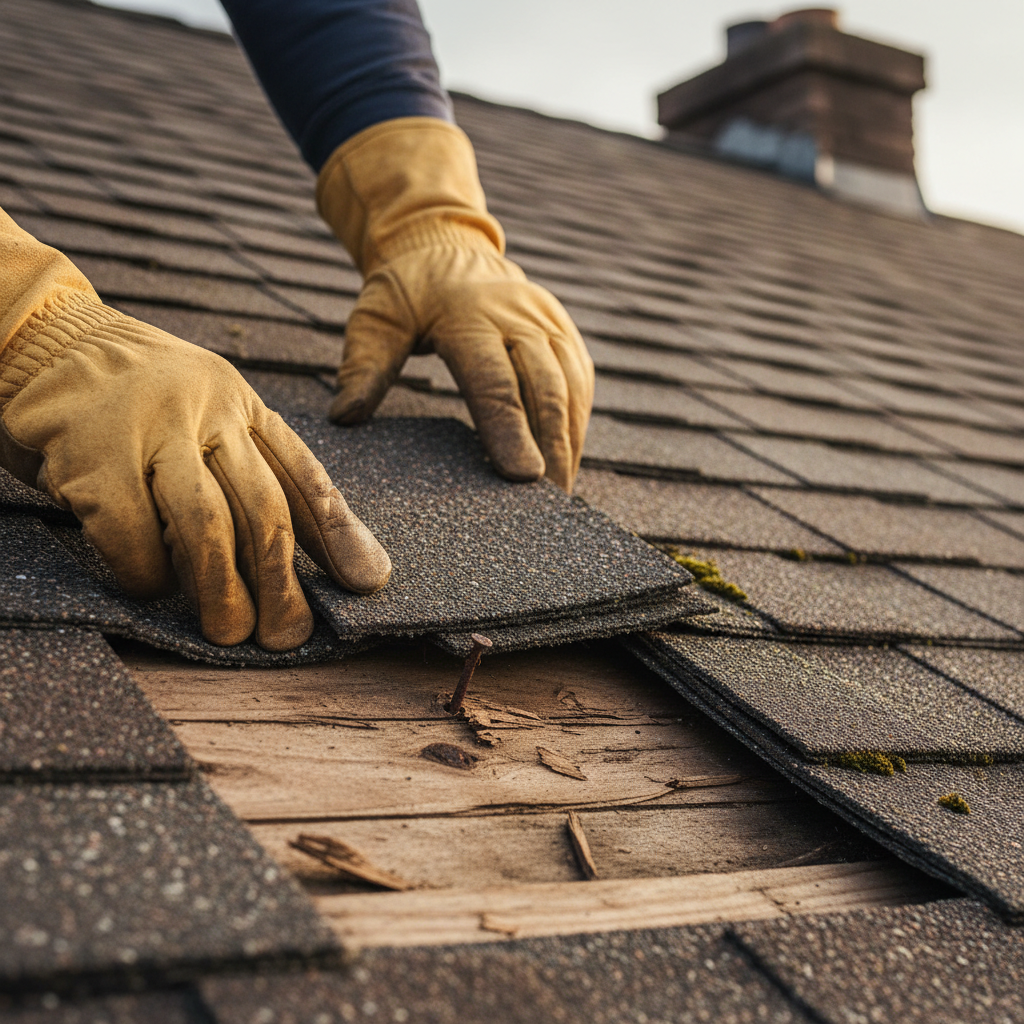
Performing a methodical walkthrough before the first major storm can prevent thousands of dollars in emergency repairs. In our region, the high-altitude UV exposure during the summer months is particularly aggressive. It strips shingles of their essential oils, leaving them brittle and susceptible to cracking exactly when they need to be flexible enough to handle heavy snow loads and shifting temperatures. Because of this, a visual check in September or October is the most important preventative measure a homeowner can take.
Use this localized roof maintenance checklist Utah residents should prioritize every autumn:
Clear Gutters After the Final Leaf Drop: Ensure your gutters and downspouts are entirely clear of organic debris. If water cannot flow freely off the roof, it will pool and freeze at the eaves, creating a foundation for ice dams that force moisture back under your shingles.
Detailed Shingle Inspection: Look for signs of balding or missing granules. These stone particles are what protect the asphalt from sun damage. If you notice a significant accumulation of granules in your gutters, your roof's protective layer is failing. Pay close attention to shingles that are curling at the edges or buckling in the center; these are likely to break when the thermometer drops below freezing.
Evaluate Flashing and Sealants: Inspect the transition points where the roof meets vertical surfaces, such as chimneys, skylights, and plumbing vents. The sealants used in these areas often shrink or crack during the summer heat. A gap as thin as a credit card can allow significant meltwater intrusion during a January thaw.
Remove Valley Debris: Clear away any accumulated pine needles or leaves trapped in the valleys of the roof. This debris acts like a sponge, holding moisture against the roofing material and accelerating rot in the underlying deck.
Addressing these issues during the mild days of October is far more effective than attempting to patch a leak in sub-zero temperatures. If your inspection reveals widespread shingle failure or deep structural concerns, it may be time to consider an expert roof installation to ensure your home remains dry through the spring. Catching these problems early allows for localized storm damage repairs before they escalate into full-system failures.
Preventing Ice Dams in the Sanpete Valley
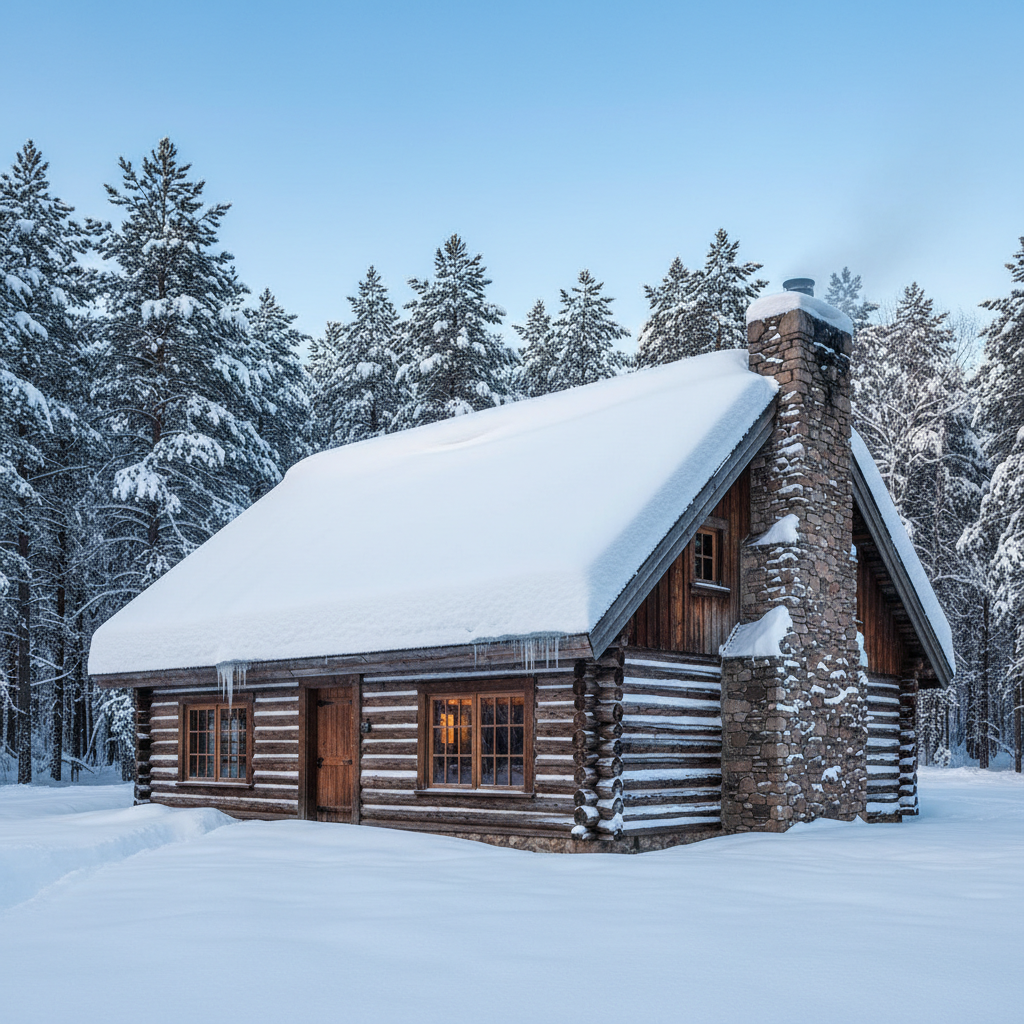
Many homeowners ask, "How can I prevent ice dams?" especially after a heavy winter in Manti or Mt. Pleasant. These ridges of ice form when heat escapes from your home into the attic, warming the roof deck and melting the bottom layer of snow. As this water flows down to the cold eaves, it refreezes, creating a dam that traps moisture and forces it under the shingles. This process often leads to significant storm damage repairs once the interior ceiling begins to leak.
Effective prevention requires a three-pronged approach tailored to the Central Utah climate. First, ensure your attic insulation is sufficient to keep heat within the living space. Second, balanced ventilation is crucial; intake vents at the soffits and exhaust vents near the ridge must work together to maintain a "cold roof" temperature that matches the outside air. This airflow prevents the localized hot spots that trigger uneven melting. Third, for North-facing roof planes that rarely see the sun, heat cables can provide a clear path for meltwater to reach the gutters during the coldest months.
Utah building codes require specific eave protection, typically a self-adhering polymer-modified bitumen underlayment that extends from the eave edge to a point at least 24 inches inside the exterior wall line. If you are unsure if your current system meets these standards, you can contact Sanpete Roofing for an estimate to evaluate your attic’s thermal performance and eave integrity. Identifying these deficiencies now is far more effective than dealing with a structural failure during a February freeze.
Winter Readiness for Agricultural and Metal Roofs
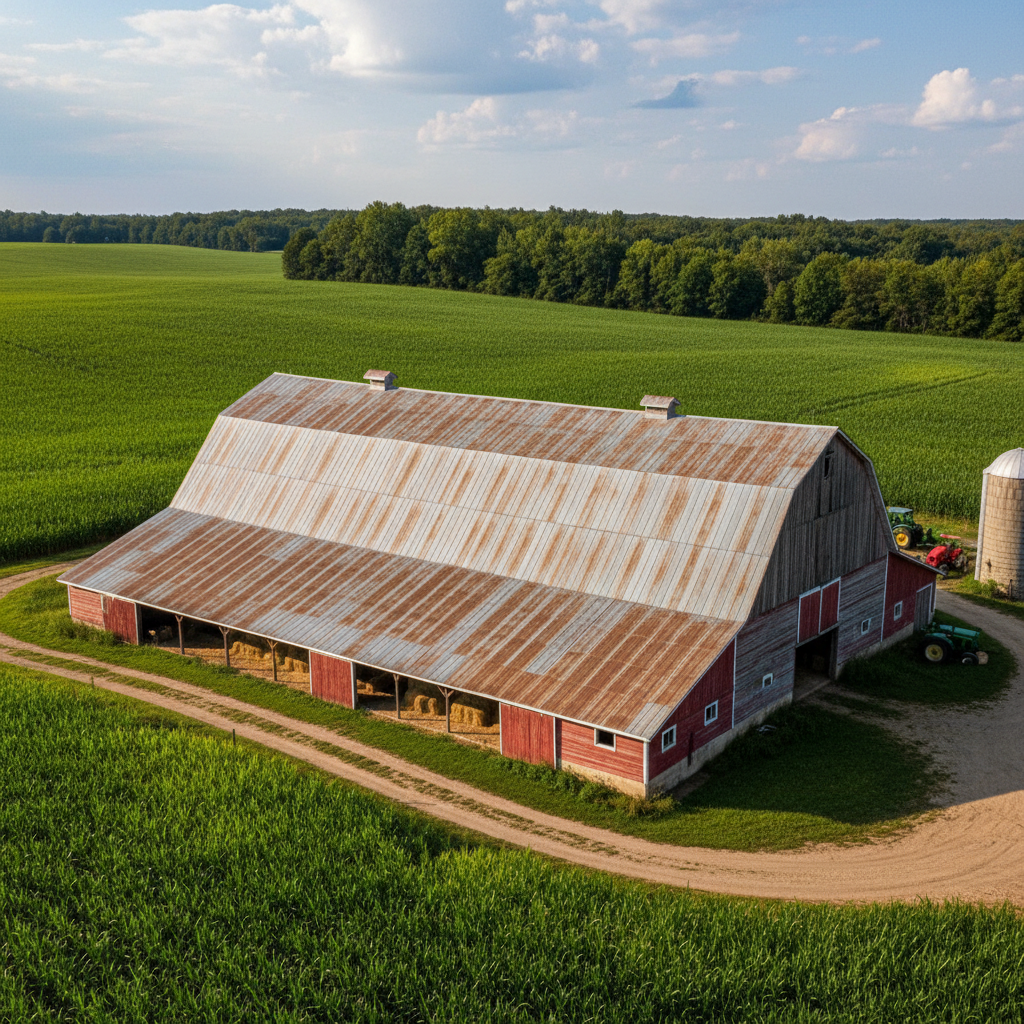
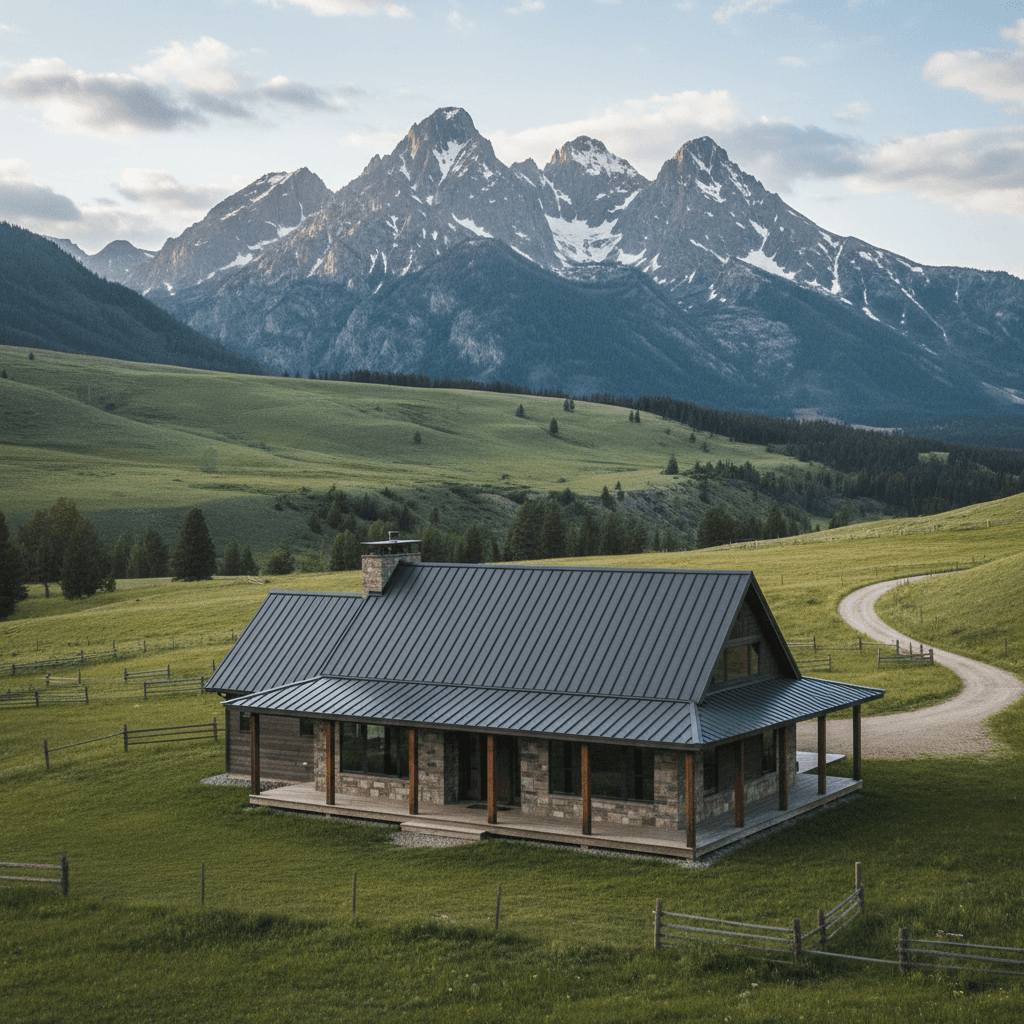
Agricultural buildings and shops across the Sanpete Valley rely on metal roofing for its durability, but these large surface areas are subject to intense thermal movement. During our frequent freeze-thaw cycles, the metal panels expand and contract significantly. This movement can cause fasteners, or roofing screws, to slowly back out over time. As part of a comprehensive roof maintenance checklist Utah owners of outbuildings should follow, it is vital to inspect these screws. If the neoprene washer is degraded or the screw is loose, moisture can seep directly into the wooden purlins, leading to structural rot that eventually requires storm damage repairs.
Special attention must also be paid to snow guards. On the steep, slick pitches common on metal barns, these guards prevent dangerous roof avalanches that can damage equipment or injure livestock. Ensure these are still firmly anchored; the heavy snow loads in Ephraim and Mt. Pleasant can shear off poorly secured guards during a mid-winter thaw. Furthermore, inspect the dead valleys or transitions where different roof lines meet on complex agricultural structures. These areas often trap massive amounts of snow and ice, putting immense pressure on the flashing. If you notice gaps in the sealant or signs of metal fatigue in these junctions, you should contact Sanpete Roofing for an estimate to reinforce the area. Proper upkeep now ensures your agricultural assets remain protected without needing a full expert roof installation prematurely.
Five Warning Signs Your Roof Might Not Survive This Winter
While agricultural structures have their own requirements, residential roofs in Sanpete County often show subtle signals of distress that precede a total failure. Identifying these indicators now is crucial because managing storm damage repairs during a January blizzard in Manti or Mt. Pleasant is significantly more dangerous and expensive than addressing them in the autumn. As you finalize your roof maintenance checklist Utah protocol, watch for these five red flags:
Excessive Granules in Downspouts: Asphalt shingles rely on a mineral coating to reflect UV rays and protect the underlying bitumen. If your gutters are filled with sand-like granules, the shingles have become brittle and will likely crack or shatter under the weight of heavy snow.
Faint Water Stains on Ceilings: Small brown or yellow spots on your upper-floor ceilings are rarely old, inactive leaks. In Central Utah, these often indicate that the freeze-thaw cycle has already compromised a seal, allowing moisture to seep into the attic during the last spring thaw.
Sagging Roof Deck Lines: Look at the ridge and planes of your house from the street. Any dips or swales between the rafters suggest that moisture has rotted the plywood decking or that previous heavy snow loads have compromised the structural integrity of the home.
Cracked or Aged Pipe Boots: The rubber flanges around plumbing vents are the first components to fail under the high-altitude Utah sun. If the rubber is dry-rotted or cracked, meltwater will flow directly down the pipe into your interior walls.
Visible Daylight in the Attic: If you can see points of light while standing in a dark attic, your primary barrier is breached. This allows water, wind, and pests to enter freely.
Proactive maintenance in 40-degree weather allows sealants to cure properly and ensures your home is sealed before the ground freezes. If you spot these signs, you should contact Sanpete Roofing for an estimate to determine if you need targeted repairs or a full expert roof installation before the valley is blanketed in white.
Professional Roof Inspection Cost in Utah: What to Expect
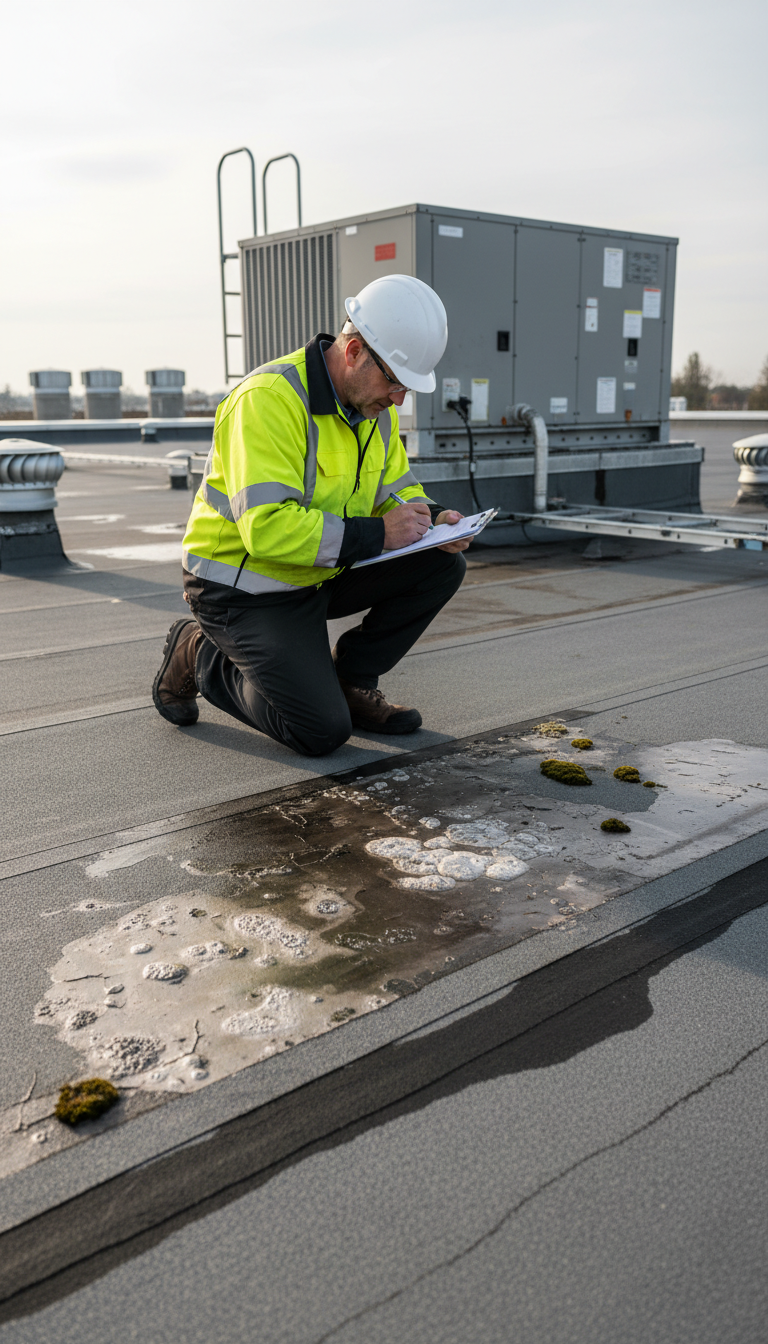
Identifying the warning signs is a critical first step, but a professional evaluation provides a definitive roadmap for winter readiness. Homeowners in the Sanpete Valley typically find that a professional roof inspection costs between $100 and $400 depending on the size and complexity of the structure. While a visual DIY check is an important part of a roof maintenance checklist Utah residents use, a trained eye detects issues that are not visible from the ground or a ladder.
A Sanpete Roofing professional examines the structural integrity of the trusses and searches for trapped moisture beneath the underlayment that can cause wood rot. We also verify that intake ventilation at the soffits is unobstructed, as poor airflow is a leading cause of ice dams in Ephraim and Manti. Obtaining a formal inspection report provides essential documentation for insurance claims and ensures that minor issues do not escalate into expensive storm damage repairs during a blizzard. If your roof is nearing the end of its lifespan, this assessment helps determine if you need expert roof installation now or if localized maintenance will suffice. To secure your property, you can contact Sanpete Roofing for an estimate before the first major snowfall.
Answering Common Utah Winter Roofing Questions
Addressing specific concerns before the snow flies ensures your property remains protected. Here are answers to common questions regarding winter roofing in the Sanpete Valley.
Can a roof hold 20 inches of snow? Weight is more critical than depth. While modern Utah homes are engineered to handle significant snow loads, 20 inches of light powder is far safer than 20 inches of heavy, wet snow or ice. If you notice sagging or internal doors that suddenly stick during a storm, contact Sanpete Roofing for an estimate to evaluate your structural safety.
What is the 25% rule for roofing? According to Utah building codes, if more than 25% of a roof system is damaged, the entire roof must often be replaced to meet current standards. Additionally, code typically prohibits more than two layers of shingles. An expert roof installation involves stripping old materials to prevent excessive weight and trapped moisture.
At what temperature is it too cold to install a new roof? While emergency storm damage repairs are possible in mid-winter, full shingle installations are ideal at temperatures above 40 degrees. Asphalt shingles rely on a thermal sealant strip that requires solar heat to bond. Without this seal, shingles are vulnerable to blow-offs during high-wind events. Keeping these factors in mind as you complete your roof maintenance checklist Utah protocol will help you time your repairs for maximum durability.
Taking these steps now ensures your Utah home remains protected against heavy snow and freezing temperatures. While a checklist is helpful, thorough maintenance can be a demanding task to handle alone. If you want expert help securing your roof before the season changes, you can learn more about our local experience and commitment to Sanpete County. Having a professional assessment can provide peace of mind that your home is ready for whatever winter brings this year.