Filing a roof insurance claim Utah homeowners should start by documenting damage and hiring a professional roofer for a detailed inspection before contacting their insurance provider. Once the claim is initiated, homeowners must meet with an insurance adjuster to review the damage and secure a settlement that covers necessary repairs within the state's typical two year statute of limitations.
After a severe Utah hail storm, the initial relief that your windows stayed intact often gives way to a lingering anxiety about the state of your shingles. You know that underlying damage can lead to leaks and structural failure, yet the prospect of fighting with an insurance company feels like a second disaster in the making. Navigating a roof insurance claim in Utah requires more than just a ladder; it demands a firm grasp of local statutes, specific roofing codes, and the tactical nuances of adjuster inspections. In this guide, we will break down the entire process from identifying subtle hail strikes to understanding the 25 percent rule that governs full replacements. You will learn exactly how to document your loss, what to avoid saying to your insurance provider, and how to ensure your home remains protected under Central Utah's unique environmental conditions.
Navigating a Roof Insurance Claim in Utah After a Hail Storm
Hail storms are a consistent reality for residents in Sanpete County and Central Utah. From sudden spring bursts to intense summer fronts, these weather events frequently subject local rooftops to high impact stress. While property owners in Manti, Ephraim, and Mt. Pleasant are accustomed to the sound of ice hitting their shingles or metal panels, the process of filing a roof insurance claim in Utah remains a source of significant stress and confusion for most.
Insurance policies are dense; the specific requirements for proving loss can be overwhelming during an already difficult time. Sanpete Roofing provides the professional support needed to bridge the gap between initial damage and a successful restoration. Our team specializes in storm damage repairs and expert roof installation, helping you navigate the complexities of adjuster meetings and scope of work assessments.
The primary goal of this guide is to provide you with a practical, expert roadmap. We want to ensure you secure a fair settlement that fully covers the necessary repairs to protect your home or agricultural investment. By understanding the local climate and the specific demands of Utah insurers, you can avoid common pitfalls that lead to underpaid or denied claims. If you have immediate concerns about recent weather, you can contact Sanpete Roofing for a detailed assessment.
Signs of Hail Damage: What to Look for on Utah Roofs
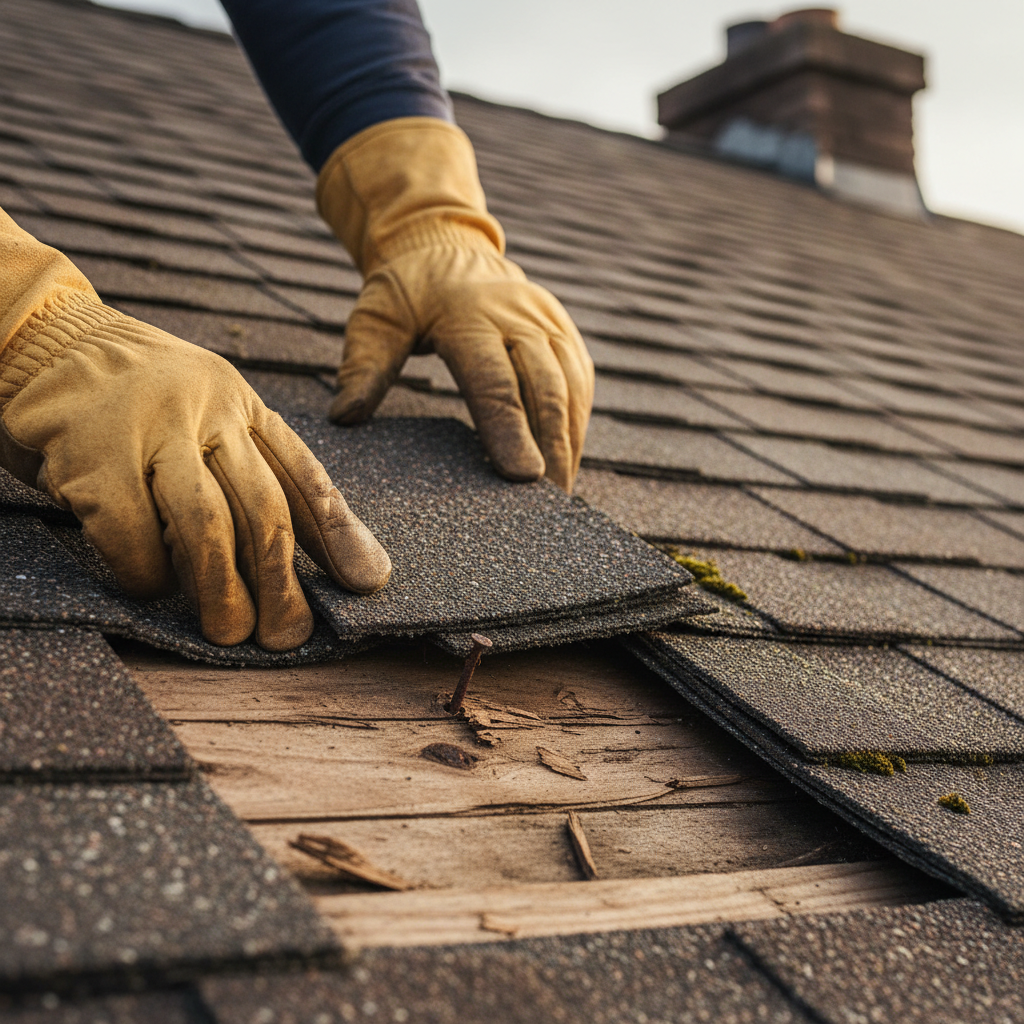
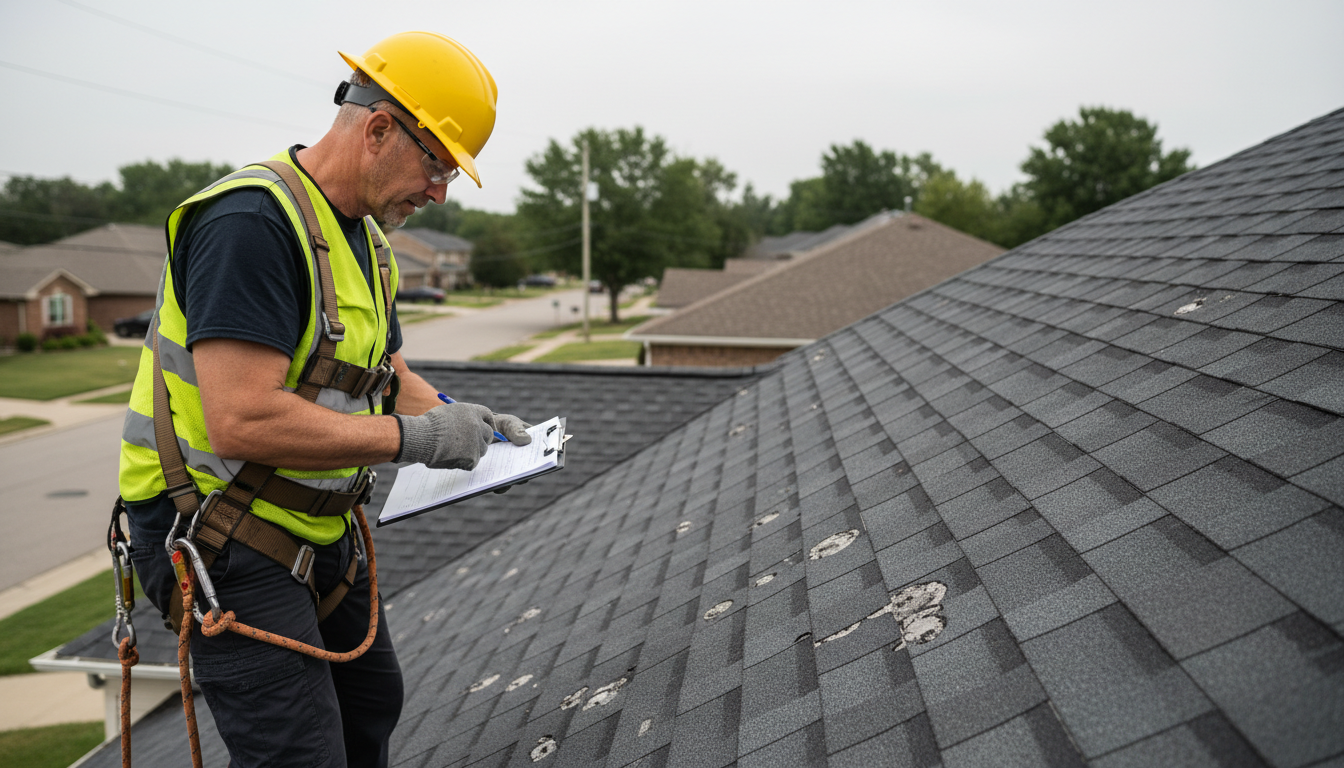
Identifying hail damage is difficult because the most significant issues are rarely visible from the driveway. While shattered windows or dented gutters are obvious, functional damage to the roof surface often requires a hands on inspection by a professional. When we perform storm damage repairs in the Sanpete Valley, we look for specific indicators that the structural integrity of the material has been compromised.
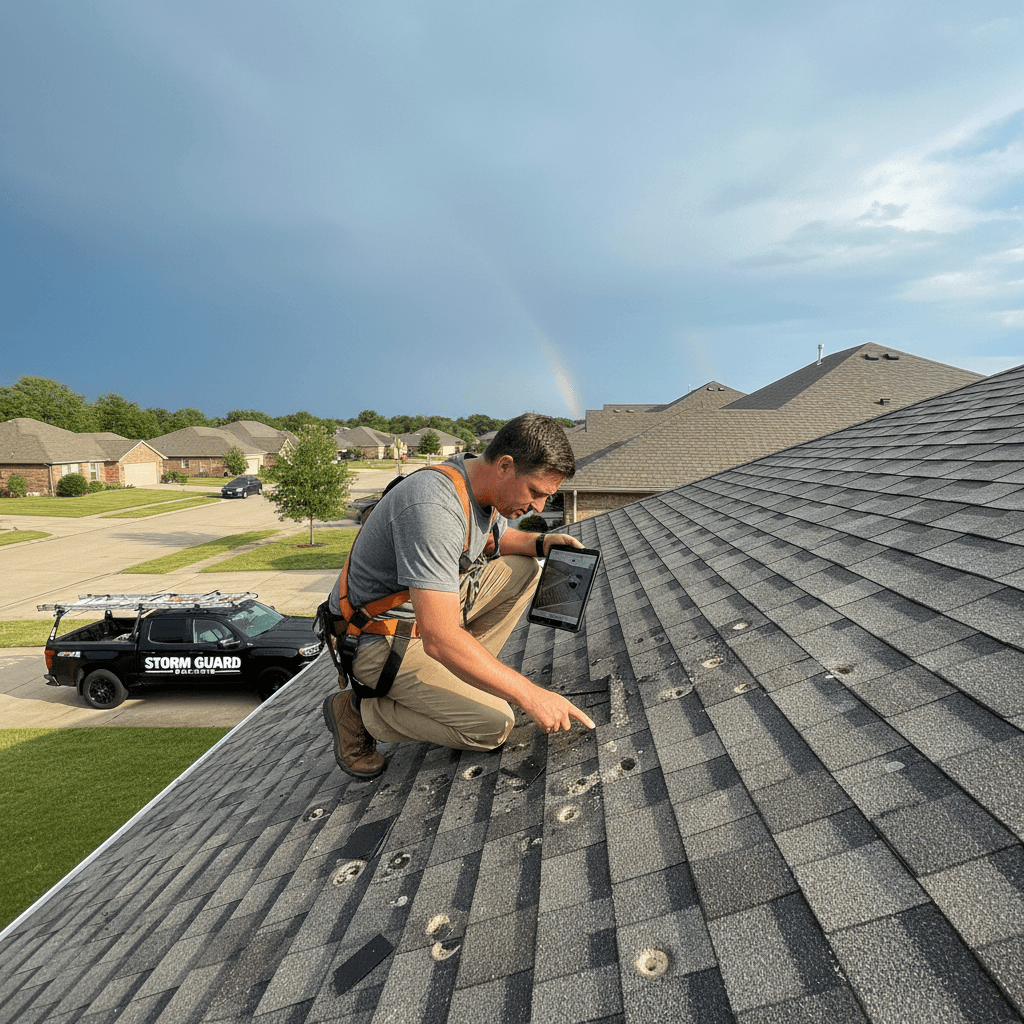
For asphalt shingles, the primary concern is "bruising." This occurs when a hail strike compresses the shingle mat against the roof deck. The result is a dark, circular indentation that feels soft to the touch, similar to a bruised piece of fruit. You may also notice random patterns of granule loss where the protective mineral coating has been knocked away. This exposes the underlying bitumen to UV rays, which accelerates the aging process and eventually leads to leaks.
Homeowners frequently ask what size hail will damage asphalt shingles. While golf ball sized ice causes immediate and obvious destruction, even hail as small as one inch, roughly the size of a quarter, can cause lasting structural compromises. These smaller impacts might not cause a leak today, but they weaken the shingle enough to fail during the next heavy winter snow load.
In Sanpete County, metal roofing is a staple for both modern residential designs and agricultural buildings. On these surfaces, look for subtle dings or small cracks in the factory coating. Even minor chips in the finish can lead to rust and corrosion over time. Identifying these nuances is a critical step when filing a roof insurance claim Utah property owners can rely on to secure a full restoration. If you suspect your property was in the path of a storm, you should contact Sanpete Roofing to ensure a proper technical evaluation is performed before the damage worsens.
Understanding the Utah Statute of Limitations for Storm Damage
Determining how long you have to act after a storm is a critical step in the recovery process. In Utah, legal timelines for property damage can be confusing. While Utah Code 78B:2:309 technically provides a longer statutory window for contract disputes, your specific homeowners insurance policy likely dictates a much tighter deadline. Most policies in Central Utah include language that limits your ability to file a roof insurance claim Utah to just one or two years from the actual date of the storm.
Waiting is a significant risk for property owners in the Sanpete Valley. As time passes, the physical evidence of hail impact degrades. What was once a clear strike on an asphalt shingle begins to look like general thermal cracking or age related granule loss. Insurance adjusters are trained to look for reasons to categorize damage as general maintenance or wear and tear rather than a sudden, covered loss. The longer the gap between the weather event and the inspection, the harder it becomes to prove that the specific storm caused the compromise.
To ensure your storm damage repairs are eligible for coverage, you should contact Sanpete Roofing as soon as you suspect a storm has impacted your property. Prompt action preserves the technical evidence and simplifies the path to a fair settlement by linking the damage directly to a recorded weather event.
The 5 Step Roof Insurance Claim Process in Utah
Once you realize your property has been impacted, following a structured process ensures you do not overlook technical details that could lead to a partial denial. In Sanpete County, the transition from storm impact to full restoration involves five distinct steps.
Prioritize Safety and Initial Documentation. Before climbing a ladder, assess the property from the ground. Use a smartphone to photograph obvious exterior damage like dented gutters, broken windows, or shredded window screens. Inside the home or barn, check the attic and top floor ceilings for fresh water stains or damp insulation. These interior signs provide critical evidence that the roofing system has been compromised, even if the shingles appear intact from a distance.
Request a Professional Roofing Inspection. It is highly recommended to contact Sanpete Roofing for an assessment before you call your insurance company. An insurance adjuster’s primary role is to manage the carrier's liability; conversely, a local contractor provides an unbiased, technical evaluation of the roof’s structural integrity. We provide a detailed report that distinguishes between cosmetic wear and functional hail damage, giving you the technical leverage needed for a successful roof insurance claim Utah property owners deserve.
Initiate the Claim with Your Agent. Armed with a professional inspection report, contact your insurance provider to file the official claim. You must provide the specific date the storm occurred. Having this information ready prevents administrative delays and helps the insurer cross reference the loss with local weather station data from the Sanpete Valley.
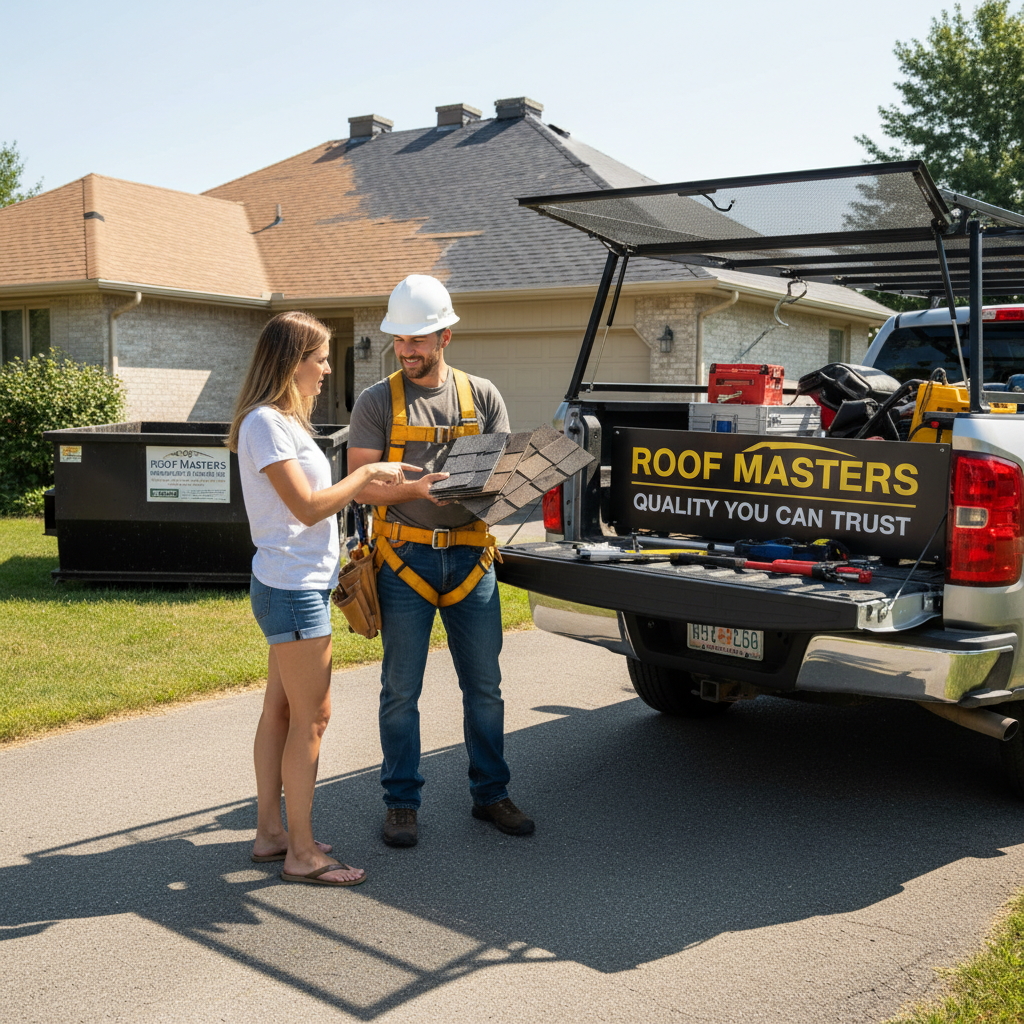
Coordinate the Adjuster Meeting. When the insurance company sends their staff adjuster to the property, ensure your roofing contractor is present. We act as your technical advocate, pointing out subtle bruising on asphalt or metal fatigue on panels that an adjuster might miss during a high speed walk through. This collaborative meeting ensures the final scope of work accurately reflects the necessary storm damage repairs.
Review the Settlement and Begin Repairs. Most Utah policies pay out in two stages. You will first receive the Actual Cash Value (ACV), which is the depreciated value of the roof based on its age. Once the expert roof installation is complete and the final invoice is submitted, the insurance company typically releases the remaining funds, known as the Replacement Cost Value (RCV). This ensures the full cost of the restoration is covered, minus your policy deductible.
What NOT to Say to a Roof Insurance Adjuster
The interaction between a homeowner and an insurance adjuster is a critical moment in the recovery process. While it is natural to be helpful, offering unsolicited opinions can inadvertently lead to a claim denial. You should stick strictly to the facts of what you observed, such as interior leaks or debris in the yard, rather than speculating on the structural condition of the materials.
Avoid describing your roof as "old," "worn out," or "falling apart." These descriptors invite the adjuster to classify the issue as a lack of maintenance rather than a sudden peril. Even if a roof in Ephraim is nearing the end of its projected lifespan, a specific hail event that causes functional damage is a covered loss. Similarly, never guess the date of the storm. If you provide an inaccurate date that does not align with recorded weather data for Sanpete County, it creates a discrepancy that can stall a roof insurance claim Utah property owners need to be successful.
Refrain from minimizing the damage by saying "I think it is fine" or "it does not look too bad" before a professional has conducted a thorough inspection. Subtle compromises like shingle mat bruising or metal fatigue are technical issues that require an expert eye. Your best strategy is to contact Sanpete Roofing and let your contractor handle the technical jargon and structural assessments during storm damage repairs or an expert roof installation.
Agricultural and Commercial Roof Claims in Central Utah
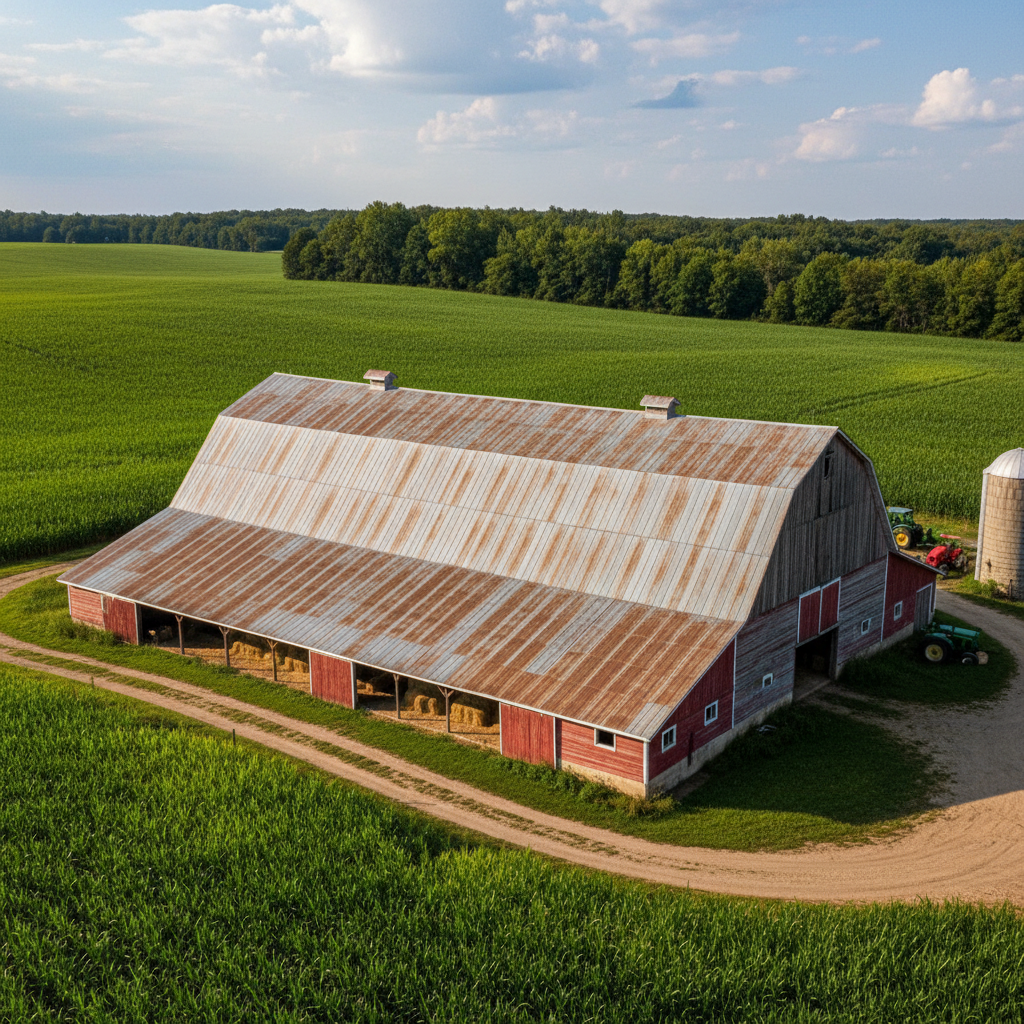
Navigating a roof insurance claim Utah for an agricultural or commercial property in Sanpete County requires a more technical approach than a typical residential claim. Large-scale buildings like hay sheds, poultry barns, and commercial storefronts in Mt. Pleasant often utilize heavy-gauge metal or TPO membranes that react differently to high-velocity hail than standard shingles. Standard inspections frequently overlook micro-fractures in the factory finish of metal panels. These hairline cracks allow moisture to reach the underlying substrate, eventually leading to widespread rust and premature panel failure that could have been avoided with a proper initial assessment.
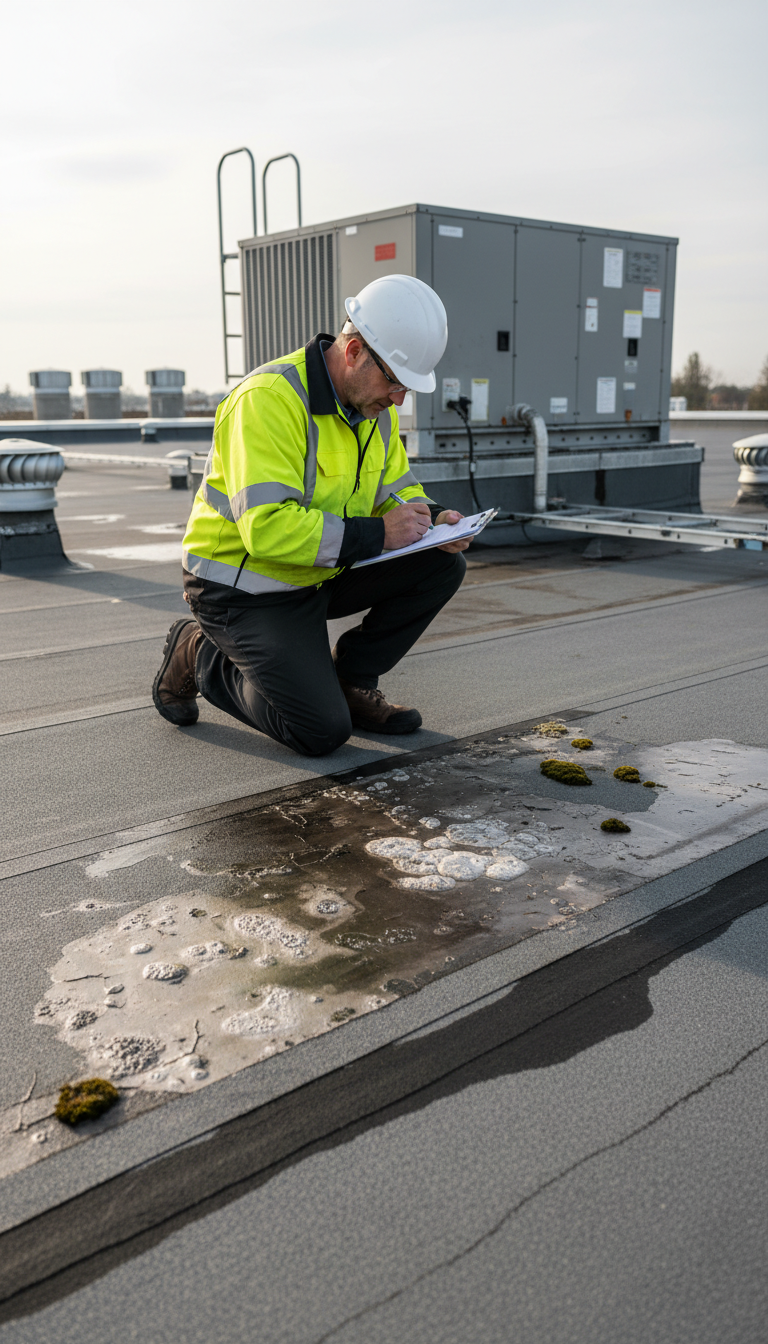
For flat commercial roofs, hail can create subtle punctures or star-cracking in the membrane that is only identifiable through tactile inspection or specialized moisture testing. Unlike standard residential policies, agricultural insurance often includes specific riders for outbuildings that carry different depreciation schedules or functional replacement clauses. It is essential to contact Sanpete Roofing to ensure these technical nuances are documented correctly. Our team understands the scale of these structures and provides the detailed evidence required for storm damage repairs or a full expert roof installation on high-value rural assets.
Utah Roofing Codes and the 25 Percent Rule
Utah building codes play a decisive role in the final outcome of a roof insurance claim Utah residents submit. The most significant factor is the 25 percent rule, a standard derived from the International Residential Code. This mandate states that if more than 25 percent of a roof system or functional section is damaged, repaired, or replaced within a 12 month period, the entire roof must be brought up to current building codes.
For homeowners in Sanpete County, this rule often bridges the gap between a patch job and a full expert roof installation. Even if hail damage appears localized to one or two slopes, if that area exceeds the 25 percent threshold, local building departments will not permit a partial repair. Consequently, insurance carriers are typically required to cover the cost of a full replacement to satisfy these legal requirements. This is especially vital for older homes in Manti or Ephraim that may require new decking or ventilation to meet modern standards. To ensure these technicalities are addressed in your claim, contact Sanpete Roofing to review your storm damage repairs scope.