Proper roof ventilation Utah prevents ice dams and moisture buildup by maintaining a cold roof deck and exhausting humid air from the attic. Homeowners should combine consistent airflow with R-49 to R-60 insulation to stop snow from melting and refreezing; this strategy protects the home from structural winter water damage.
If you have noticed massive icicles hanging from your gutters or mysterious water spots appearing on your ceiling during a heavy Sanpete County snowfall, your roof is likely struggling to breathe. Many Utah homeowners mistake these winter symptoms for simple weather wear, but they are actually the result of poor attic ventilation. When heat remains trapped in your attic, it creates a dangerous cycle of melting and refreezing that compromises your shingles and structural decking. This guide explores the essential mechanics of Utah roof ventilation, from the science behind ice dam formation to the specific building codes required for high-altitude climates. You will learn how the 1:300 rule applies to your home, which components are necessary for a functional system, and how to identify the warning signs of moisture buildup before mold takes hold.
Why Roof Ventilation Matters During Utah Winters
Residents across Sanpete County often associate attic vents with exhausting summer heat, but proper airflow is arguably more critical when the snow begins to pile up. Central Utah’s high altitude and freezing temperatures create a significant thermal gap between your climate controlled living space and the outdoor air. Even with expert roof installation, a lack of ventilation allows this trapped heat to wreak havoc on your structure.
In places like Manti or Fairview, a heated home can reach 70 degrees while the exterior drops below zero. This temperature delta forces heat upward into the attic. Without a functional system for roof ventilation Utah homes face structural risks that standard materials cannot mitigate alone. Routine Sanpete County roof maintenance should always include a check of these airflow pathways to avoid costly repairs.
Failure to balance these temperatures leads to three primary winter hazards: 1. Ice dams that form at the eaves, trapping water and forcing it beneath your shingles. 2. Attic condensation that results in wood rot, mold, and saturated insulation. 3. Accelerated shingle degradation caused by the roof deck overheating from the underside.
Understanding these risks is the first step toward protecting your property during the harshest months of the year.
The Science of Ice Dams: How Poor Airflow Damages Sanpete Homes
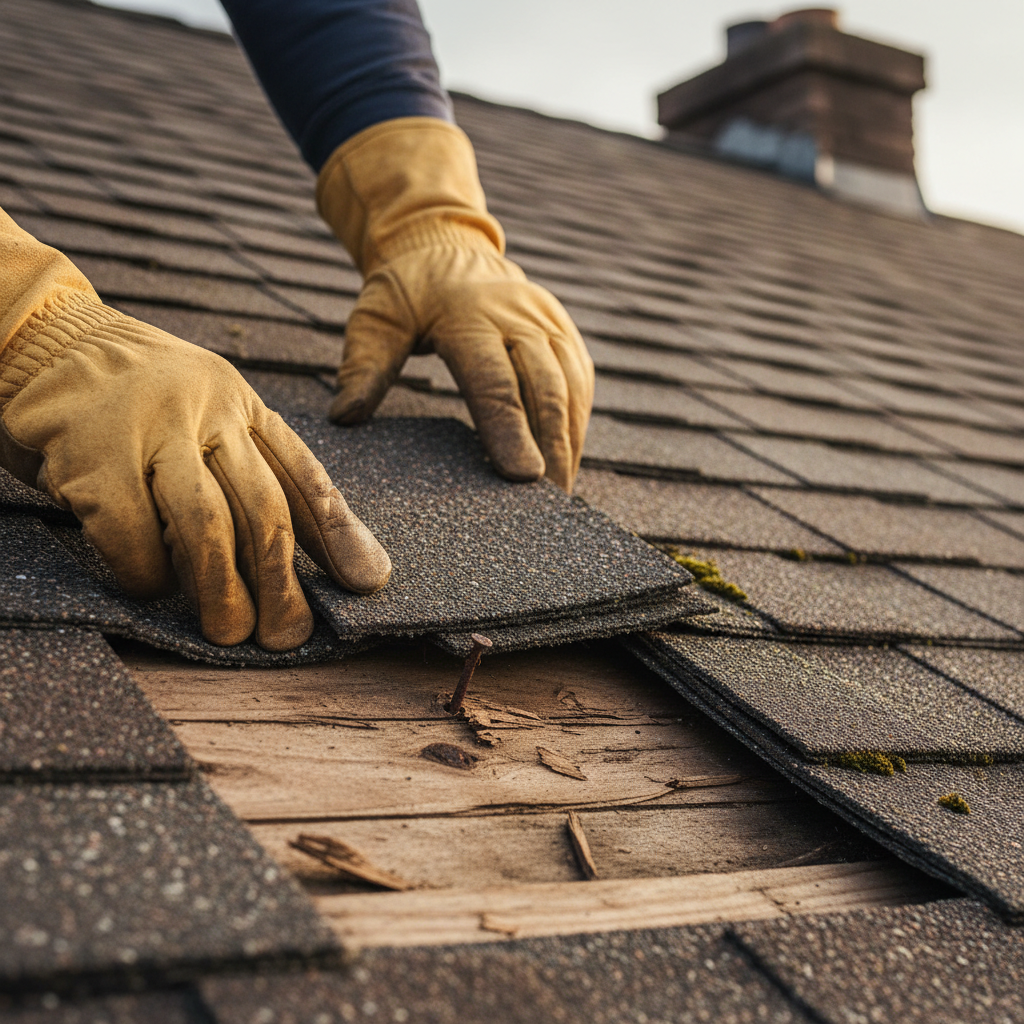
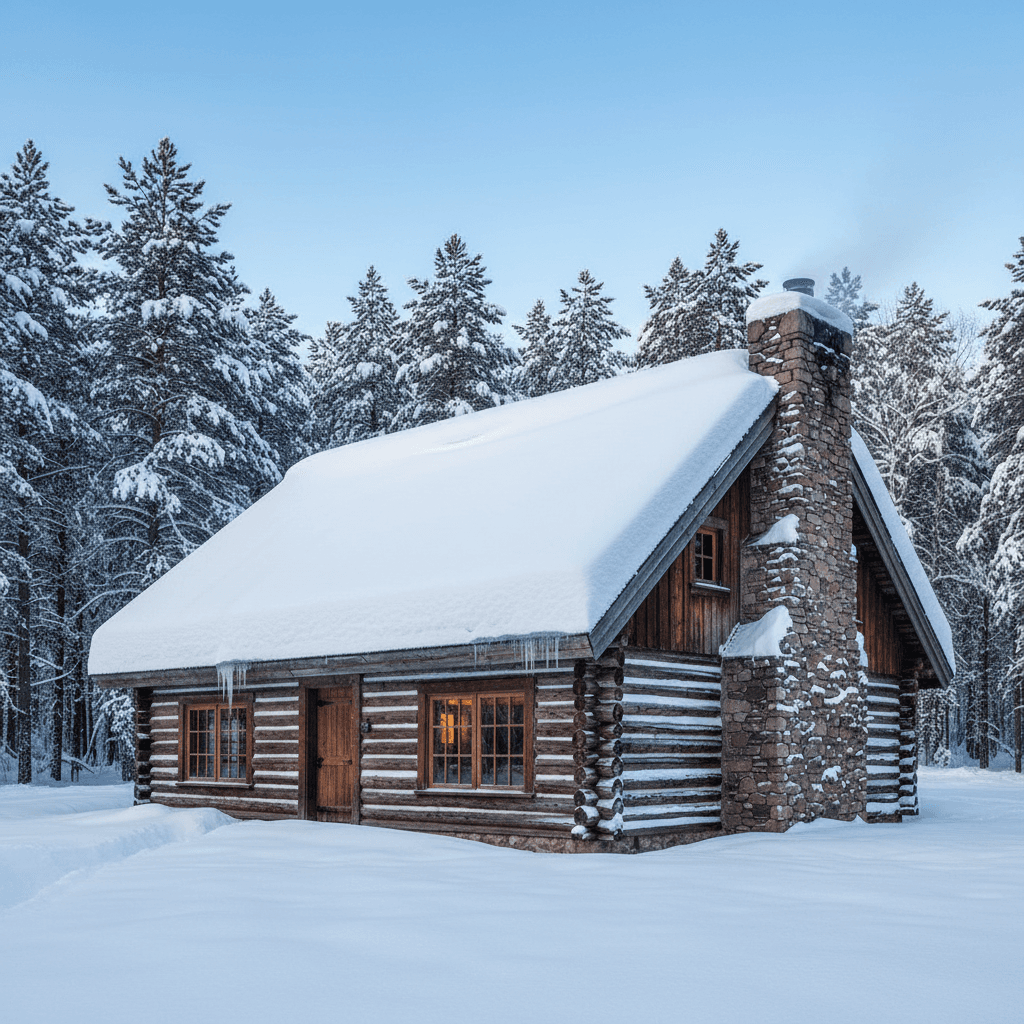
Ice dams are not just a nuisance; they are a direct result of thermal mismanagement within the home. When residents in Ephraim or Manti experience a heavy snowstorm, the snow sitting on the roof acts as a natural insulator. If a home has poor roof ventilation Utah winters cause heat to accumulate at the peak of the attic space. This trapped warmth heats the wooden roof deck, which in turn melts the bottom layer of the snowpack even when the outside temperature is well below freezing.
As this snow melts, the liquid water flows down the slope of the roof toward the gutters. However, the eaves of the house extend beyond the exterior walls and are not exposed to the rising heat of the attic. These eaves remain at freezing temperatures. When the meltwater hits this cold zone, it refreezes instantly, building a ridge of ice. As the cycle repeats, the ridge grows into a dam that traps pools of liquid water behind it. Because asphalt shingles are designed to shed water downward through gravity, they are not waterproof against standing pools. This trapped water eventually wicks up under the shingles and leaks into the soffits, insulation, and interior ceilings.
Many homeowners attempt to solve this by installing heat tape along their roof edges. While heat tape can create channels for water to escape, it is a reactive measure that consumes electricity and fails to address the underlying thermal failure. The root cause is an unnaturally warm roof deck. To fix this, you must ensure a continuous flow of cold air enters through the soffits and exits through the ridge. This creates a "cold roof" environment where the temperature of the shingles matches the outside air, preventing the melting cycle entirely. If you are noticing large icicles or thick ice ridges forming, we provide transparent estimates to evaluate your current airflow and insulation levels before the next big freeze.
Preventing Attic Condensation and Mold Growth
While ice dams are visible from the street, the most destructive winter roofing issues often happen silently within the attic. Every daily activity, from boiling water for dinner to taking a hot shower, releases moisture into the air. In modern, high-efficiency homes throughout Central Utah, building envelopes are designed to be extremely airtight. While this is excellent for energy savings, it traps humidity inside the living space. Because warm air naturally rises and carries water vapor with it, this moisture eventually migrates through light fixtures and drywall seams into the attic.
In a poorly ventilated attic, this humid air has nowhere to go. When it strikes the freezing underside of the roof deck, it reaches its dew point and transforms into liquid water or frost. This cycle causes immediate and long-term structural damage:
Reduced Insulation Performance: Saturated insulation loses its loft and its R-value. Once wet, materials like fiberglass no longer trap heat effectively, forcing your furnace to work harder to maintain temperatures in the rooms below.
Structural Decay: Constant moisture leads to wood rot in the rafters and roof sheathing. If left unchecked, this moisture causes the wood to soften and delaminate, compromising the integrity of the entire roof system.
Mold Growth: Dark, damp attics provide the perfect environment for mold to flourish. This can spread quickly across the plywood and eventually impact the air quality within the living areas of your home.
Maintaining balanced roof ventilation Utah homeowners can rely on ensures that this moisture is swept out of the attic before it can condense. If you suspect moisture buildup or see frost on your rafters, a professional inspection is part of a thorough Sanpete County roof maintenance plan to identify these hidden threats before they require a full expert roof installation.
Calculating Your Needs: The 1:300 Rule and Utah Building Codes
Determining the correct amount of airflow for a home in Gunnison or Moroni requires more than a best guess; it relies on the 1:300 rule. This industry standard dictates that for every 300 square feet of attic floor space, there must be at least one square foot of net free ventilating area. For a balanced system, this total area should be split evenly between intake vents at the eaves and exhaust vents near the peak, ensuring a continuous passive loop that carries away moisture and heat.
In Central Utah, local building codes now emphasize higher energy efficiency, often pushing toward R-60 insulation levels. While R-60 is excellent for retaining heat within the living space, the sheer volume of blown-in material, which can reach depths of 20 inches or more, creates a hidden risk for Sanpete County roof maintenance. Without the installation of rigid attic baffles, this thick insulation frequently spills over the wall plates and completely blocks the soffit vents.
This obstruction chokes the intake air, rendering even the most expert roof installation ineffective against the elements. When we provide transparent estimates, we calculate these specific ratios and verify that baffles are positioned to maintain a clear channel for the roof ventilation Utah homes need to function. Proper spacing ensures the insulation performs its thermal job without compromising the structural health of the roof deck.
Essential Components of a Utah Roof Ventilation System
Building a functional roof ventilation Utah homeowners can rely on requires a balanced circuit of intake and exhaust components. The process begins at the intake, typically provided by soffit vents located under the eaves. For these vents to work, attic baffles, or rafter vents, are indispensable. These rigid channels are stapled between the rafters to hold insulation back from the roof deck, ensuring that the cold air entering through the soffits has a clear path to reach the upper attic space rather than being smothered by fiberglass or cellulose.
On the exhaust side, the goal is to release the rising warm, moist air at the highest possible point. Residential properties often utilize ridge vents, which provide a low profile and continuous airflow along the entire peak. In cases where the ridge line is too short, box vents, also known as turtle vents, or wind-driven turbines are installed. During an expert roof installation, the selection of exhaust hardware depends on the roof’s pitch and the total volume of the attic space.
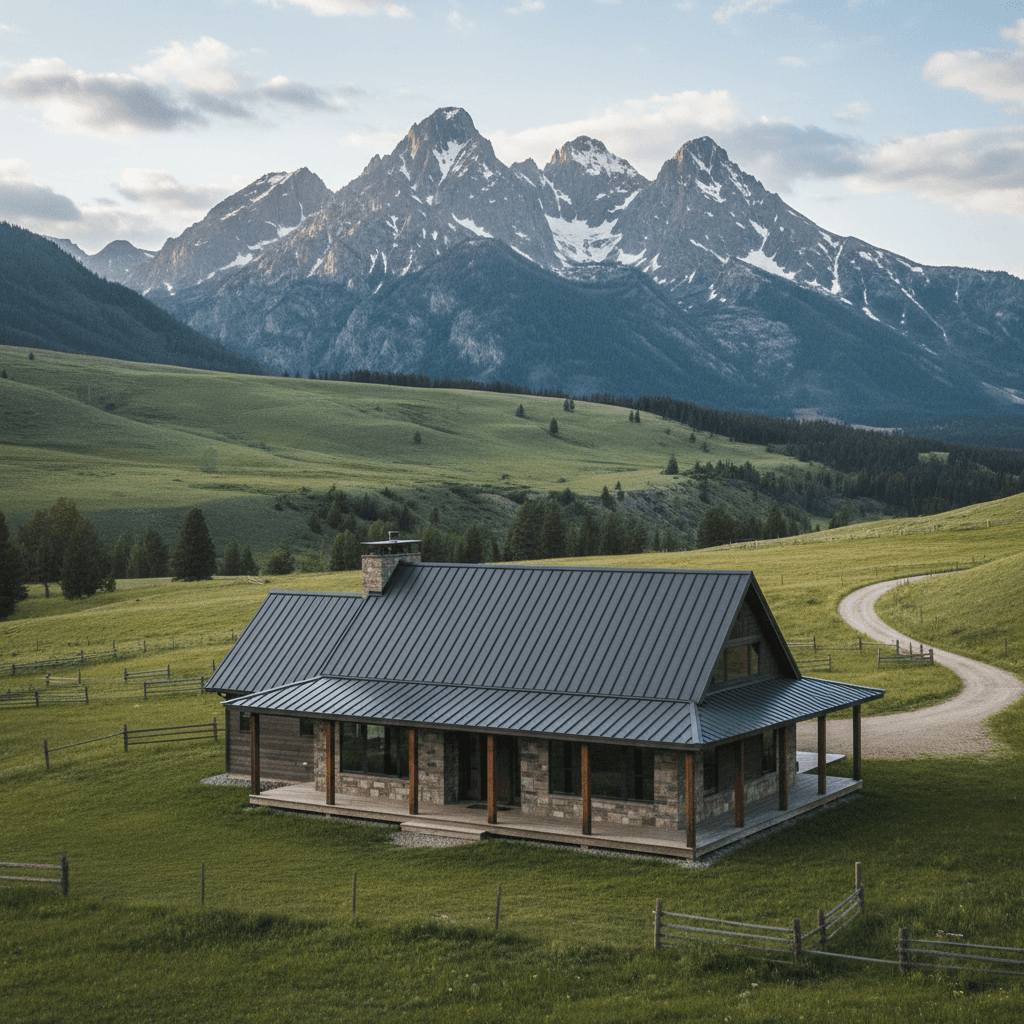
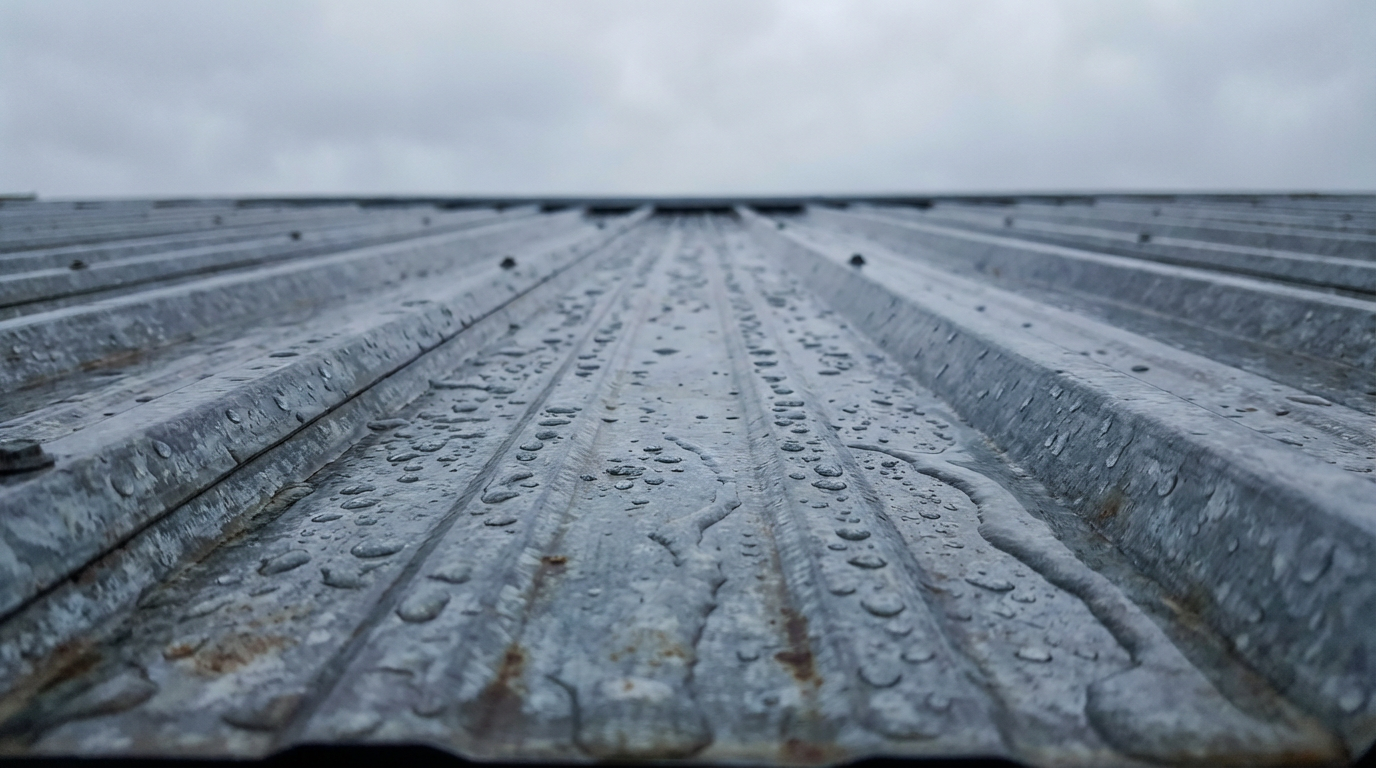
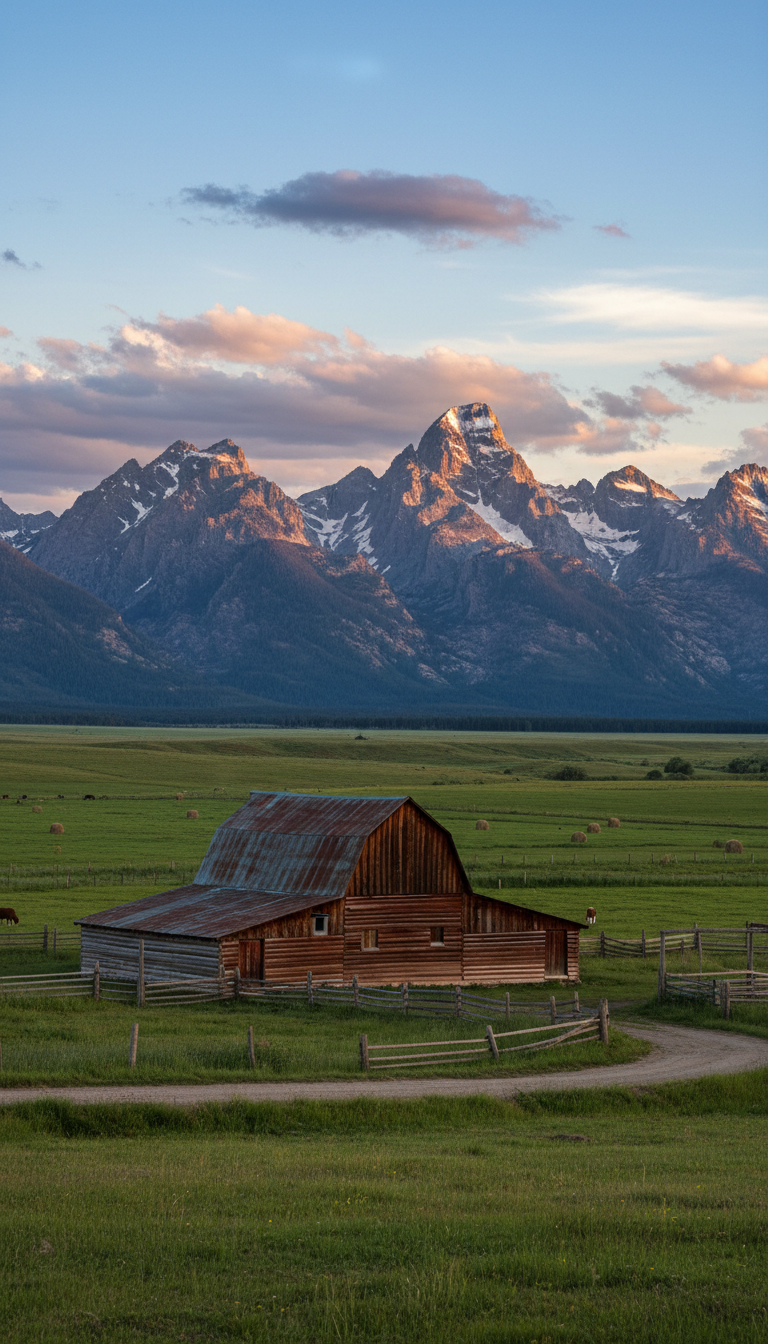
The ventilation strategy shifts significantly when comparing residential asphalt shingles to the metal roofing common on Sanpete County agricultural buildings and barns. Metal roofs on open-span structures often require vented ridge closures or high-capacity turbines to handle larger volumes of air. Because these structures often house livestock or machinery, the moisture load is higher than a typical home, making regular Sanpete County roof maintenance vital to prevent rust on the underside of the panels. If your utility bills are rising or you notice condensation on metal surfaces, we offer transparent estimates to help optimize your system's intake and exhaust balance.
Common Ventilation Mistakes to Avoid
Even with high-quality materials, specific installation errors can render a system useless. One of the most frequent errors is mixing different types of exhaust vents on the same roof plane. If a homeowner adds a powered fan to a roof that already has ridge vents, the fan will often pull air from the nearest opening, the ridge vent, rather than the soffits. This short-circuiting prevents fresh air from circulating through the lower attic, leaving moisture trapped near the eaves.
Another common pitfall involves failing to secure insulation away from intake points. Without baffles, even a well-intended Sanpete County roof maintenance routine can overlook shifted fiberglass that has completely choked off the airflow. Clients often ask if a contractor is solely responsible for ice dams. In reality, ice damming is a systemic issue. While an expert roof installation provides the necessary vents, the performance of the roof ventilation Utah homes require also depends on the insulation contractor's air sealing. True protection requires a coordinated effort between both trades. For those dealing with recurring issues, obtaining transparent estimates that evaluate the entire attic system is the only way to find a permanent fix.
Warning Signs Your Attic Has Poor Airflow
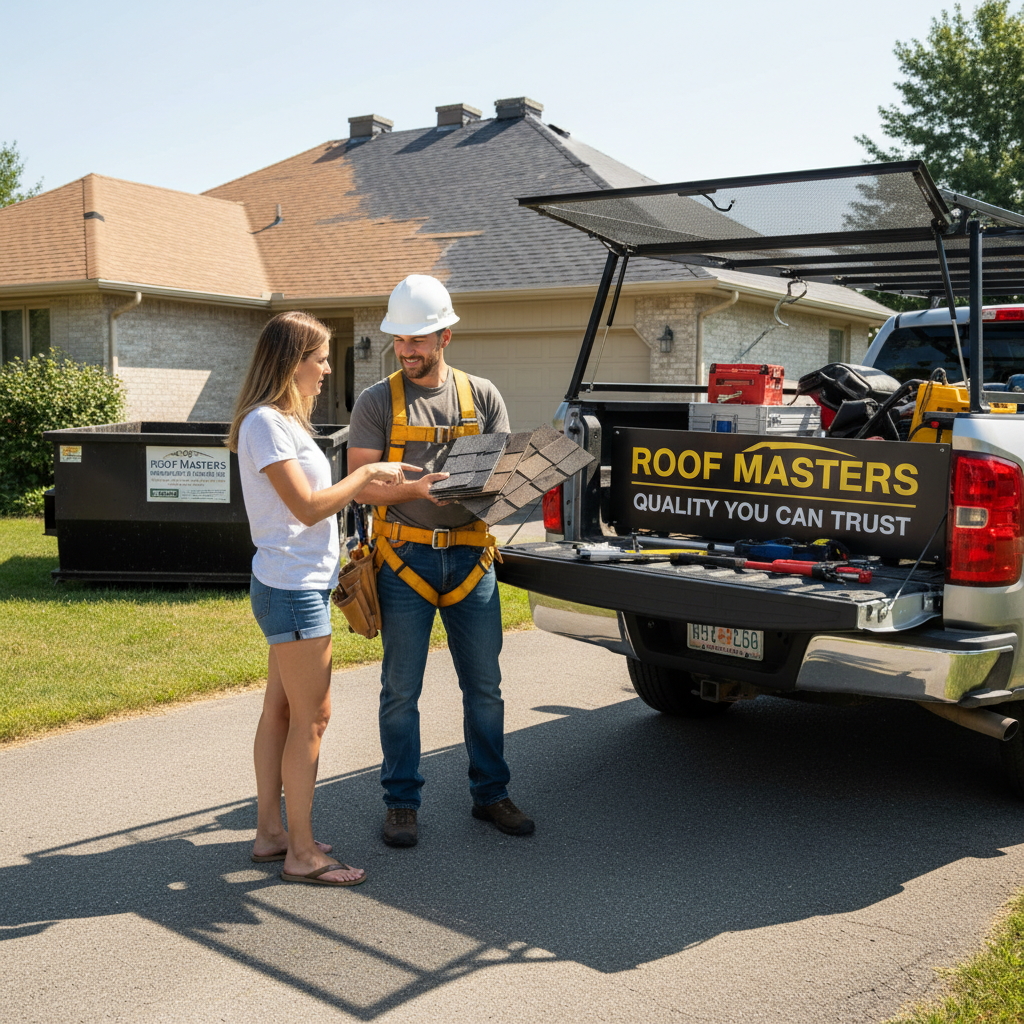
Identifying a failure in your system before it leads to a costly leak requires a proactive eye. Residents in Sanpete and Sevier counties should perform a visual inspection shortly after the first major snow of the season when the thermal performance of the house is most visible. Look for these specific indicators that your roof ventilation Utah system is underperforming:
Concentrated Icicles: While some ice is common, heavy icicle clusters forming strictly along the eaves while the rest of the roof is clear often points to ice damming caused by escaping attic heat.
Attic Frost or Rust: During a cold snap, check your attic rafters with a flashlight. If you see frost on the underside of the roof deck or orange rust on roofing nails, moisture is being trapped rather than exhausted.
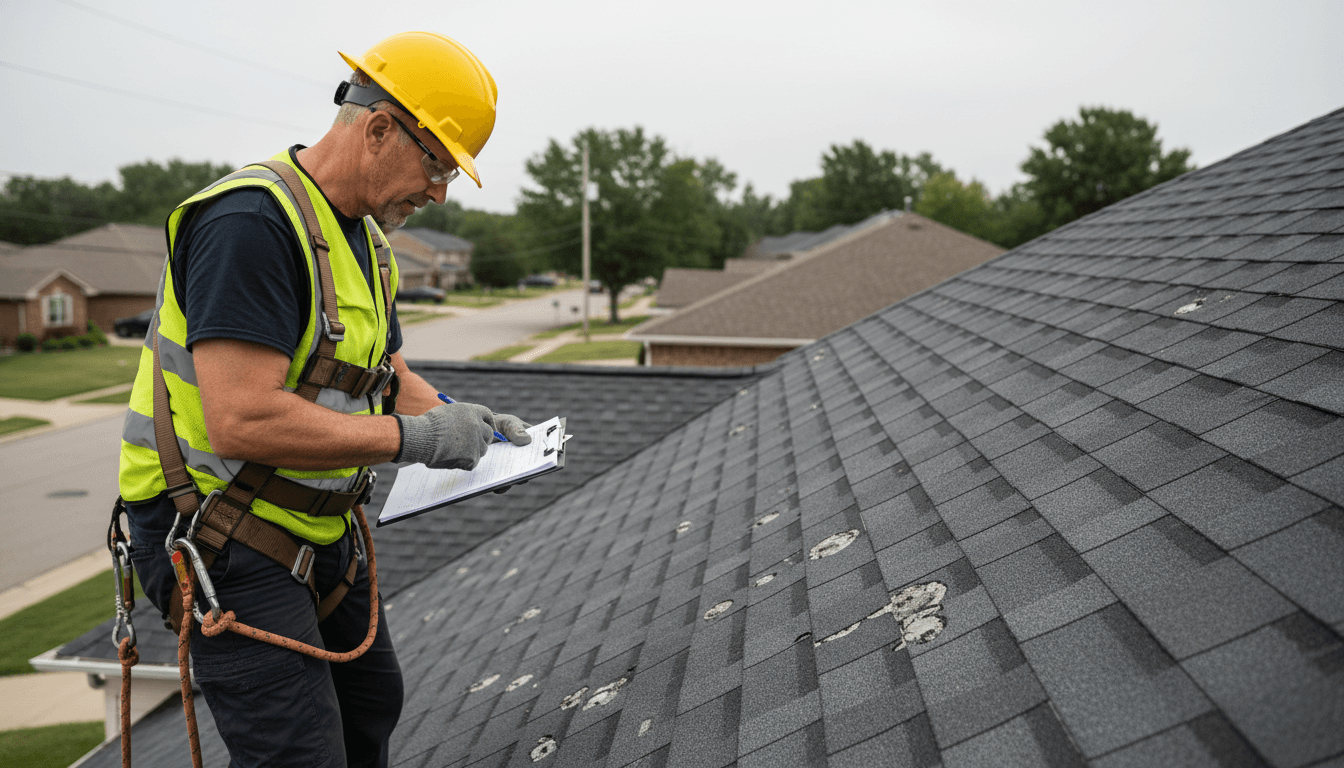
Shingle Deformation: Excessive heat trapped in the attic can cook shingles from the inside out, causing them to appear wavy, buckled, or brittle long before their expected lifespan.
Catching these signs early allows for corrective action before structural rot sets in. If you notice these red flags, we can provide transparent estimates to evaluate your intake and exhaust balance. Integrating these checks into your annual Sanpete County roof maintenance ensures your home remains dry. For complex issues or older properties, an expert roof installation might be necessary to bring the ventilation up to modern building standards.
Maintaining proper airflow is essential for protecting your Utah home against ice dams and attic moisture during the winter months. A well ventilated roof keeps your shingles healthy and your home efficient; this prevents structural damage and costly repairs. If you want expert help ensuring your attic is prepared for the next snowstorm, we can provide a thorough assessment. You can learn more about Sanpete Roofing to see how our local expertise helps neighbors maintain durable, weather resistant roofs. We are here to ensure your home stays dry all season.